The Art of Cold Ostracism: Dismantle Opponents Without a Word

0
image_1-19


The Art of Cold Ostracism: Dismantle Opponents Without a Word
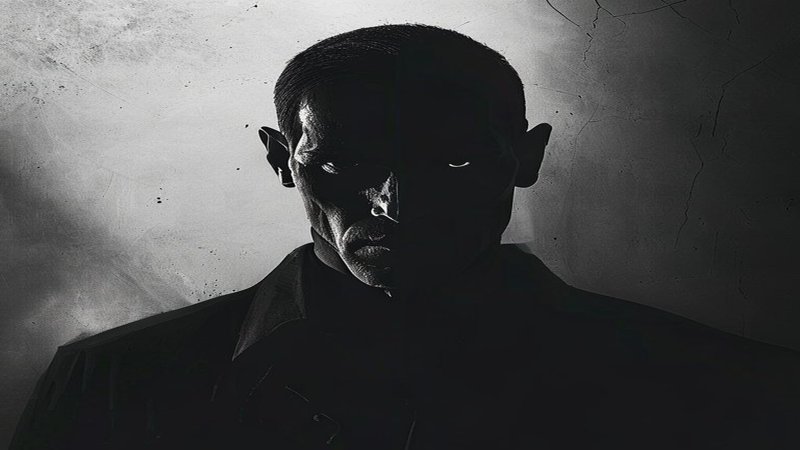
Silence is not merely the absence of sound. It is a lethal weapon employed by leaders and narcissistic deviants to dismantle their adversaries without uttering a single word. Imagine entering a room where everyone looks at you, yet no one truly sees you. This is social death. You are here to learn how to master this dark art.


The Power of Silent Elimination

Cold ostracism is a psychological strategy aimed at morally erasing another person’s existence. You do not shout at them. You do not insult them. You simply withdraw the social oxygen they need for psychological survival. When you begin to implement this art, you will notice the opponent starts questioning their sanity. They begin to wonder if they have made a mistake, or if they have indeed become invisible. This type of psychological torment leaves no physical scars, but it tears apart the identity from within. To master this, you must first understand that power lies in absolute self-control. Your opponent feeds on your reaction. If you get angry, you have granted them power. If you shout, you have acknowledged their existence. But if you ignore them with professional coolness, you are declaring their demise while they are still breathing. This strategy echoes the terrifying Viking Secret of Silence, a historical precedent for psychological warfare.

The Power of Silent Elimination


Mastering the Gaze and Selective Response

The first layer of this art begins with the gaze. In normal human communication, eyes meet to affirm mutual existence. In cold ostracism, you look through the person, not at them. Imagine a glass wall behind your opponent, and you fix your gaze on a distant point beyond their head. When they speak to you, do not shift your pupils towards them. Keep your gaze fixed on the void. This action sends an immediate signal to their human brain that their presence is worthless. The victim’s nervous system will begin sending alarm signals. They will feel a coldness in their extremities and an acceleration in their heart rate. This is the body’s primal reaction to social rejection. You are not engaging in traditional bullying here, but rather practicing the psychological engineering of silence.

The second layer concerns selective response. The opponent will try to provoke you to elicit any reaction, even a negative one. A shout is an acknowledgment, and an insult is an acknowledgment. You will deprive them of this acknowledgment. When they ask a question, wait a full five seconds before returning to what you were doing, without answering. These five seconds feel like an eternity to the victim. In this temporal gap, the opponent’s pride falls into a deep well of embarrassment. If you are forced to respond, let your reply be a single word, cold and devoid of any emotion. Yes. No. Perhaps. These words act as concrete barriers preventing any flow of dialogue. You are here to control the flow of information and make the opponent feel as if they are speaking to a wall of ice. Understanding these body language signs is crucial for this approach.


Engineering Spatial and Collective Exclusion

The third layer is the engineering of spatial presence. When the opponent enters your space, do not alter your body posture. Do not turn around. Do not adjust your seating. Continue doing what you were doing as if the room were still empty. If they approach you to speak, complete reading the paper in your hands, or continue typing on the keyboard for ten additional seconds. These ten seconds are enough to break the will of the strongest individuals. You are telling them, without words, that your time is far more valuable than their presence. You are placing them in a rank lower than the inanimate objects in the room. When you finally decide to move, do so slowly and steadily. Speed indicates tension, while slowness signifies absolute dominance.

The fourth layer is organized collective exclusion, or what is known as silent encirclement. If you are in a group, begin directing your conversation to everyone except the opponent. Distribute your gaze across all faces, and when you reach them, skip over them with your eyes as if they were a black void in the space. This behavior creates immense social pressure. The victim will feel isolated even while surrounded by people. Others will unconsciously begin to mimic your behavior because you project an aura of authority that makes them fear siding with the weaker party. Here, you are not just excluding them yourself, but making their surrounding environment reject them as a foreign object.

Engineering Spatial and Collective Exclusion


Micro-Gestures, Emotional Coldness & Deadly Timing

The fifth layer concerns subtle body language, or what we call micro-gestures. When the opponent speaks and says something presumably important, tilt your head slightly, raise one eyebrow for just one second, then return to your normal posture with a very subtle sigh. This sigh is the coup de grĂ¢ce. It tells them that their words are not only unimportant but also pitiful or boring. You don’t need to say “You are a fool”; the sigh combined with the vacant gaze conveys that more painfully. You are targeting your opponent’s cerebral cortex, where self-worth is processed, making it declare a state of emergency.

The sixth layer is the withdrawal of emotional oxygen through deliberate emotional coldness. Humans are programmed to seek feedback. When the opponent does something good or bad, remain completely neutral. Show neither approval nor anger. Impassivity is the pinnacle of power. Anger means you care, and care is a gift the opponent does not deserve. By maintaining a wooden facial expression, you prevent the opponent from reading your thoughts. This ambiguity generates fear. The opponent will spend hours, perhaps days, trying to analyze your silence. They are now living in a self-made prison, within their own mind, and you are the silent jailer.

The seventh layer is deadly timing. The art of cold ostracism requires great patience. It may last for days or weeks. Each time the opponent believes you are softening, re-impose silence with greater intensity. This fluctuation, followed by a sudden cessation, is called inverse intermittent reinforcement. You habituate them to your absence, making them psychologically beg for a moment of your attention. When the opponent reaches the stage of begging, or apologizing for things they did not do, or starts feeling their mind unmasking subconscious manipulation, your victory is complete. This method demonstrates a profound understanding of internalized social control, turning an individual’s own mind against them.


Frequently Asked Questions

What is ‘cold ostracism’?
Cold ostracism is a psychological strategy that involves silently withdrawing social attention and acknowledgment from an individual, aiming to morally and psychologically erase their existence without direct confrontation.
How does cold ostracism affect the victim?
Victims of cold ostracism often question their sanity, feel invisible, experience a primal reaction to social rejection (coldness, accelerated heart rate), and suffer from a profound tearing apart of their identity from within, leading to psychological torment.
What are some key techniques used in cold ostracism?
Key techniques include looking ‘through’ a person instead of at them (the gaze), selective non-response, maintaining an unaltered body posture when they enter your space, organized collective exclusion, subtle micro-gestures like a dismissive sigh, and deliberate emotional coldness to prevent feedback.
Why is self-control important when practicing cold ostracism?
Absolute self-control is crucial because the opponent feeds on your reaction. Showing anger, shouting, or any strong emotional response grants them power and acknowledges their existence, undermining the strategy’s effectiveness.
How does ‘deadly timing’ contribute to cold ostracism?
Deadly timing involves patiently applying silence for days or weeks, and then re-imposing it with greater intensity if the opponent believes you are softening. This inverse intermittent reinforcement habituates them to your absence, making them psychologically crave your attention, often leading to begging or apologies.

Generated by AI Content Architect

About The Author

Leave a Reply

Your email address will not be published. Required fields are marked *