Evidence of Olmec Colossal Head Carving & 50-Ton Boulder Transport
Evidence of Olmec Colossal Head Carving & 50-Ton Boulder Transport
Navigate Content
The Accidental Discovery at Tres Zapotes
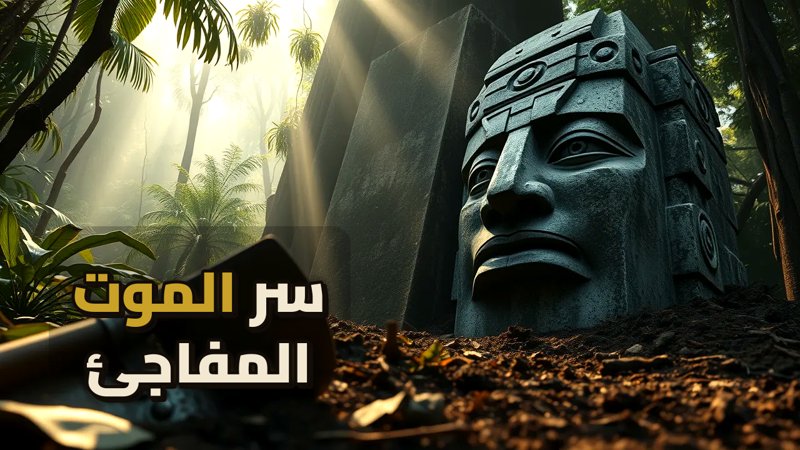
The story began simply in 1862, in an area known as Tres Zapotes. A farmer struck a very hard object beneath the soil, initially thinking it was a massive inverted vessel. However, upon digging and cleaning, human features began to emerge.
- Wide eyes, broad noses, and thick lips sculpted with astonishing precision.
- Made of hard basalt stone, masterfully carved.
- Marked the first thread leading to the Olmec civilization.
The Mother Culture of Mesoamerica
The Olmecs settled in Mexico approximately 3,200 years ago around 1200 BCE, earning the title of the “Mother Culture” from historians. They laid the foundational stone for everything that followed in Mexico and Central America. Before the Maya built pyramids, the Olmecs charted the path, initiating writing systems, calendars, and complex urban centers such as San Lorenzo and La Venta.
For parallel examples of lost empires that rivaled major powers of antiquity, see Aksum: The Forgotten African Empire That Competed with Rome.
Transporting 50-Ton Boulders Across the Jungle
When standing before the colossal heads, the primary question is how these stones arrived. We are confronted with blocks of volcanic basalt weighing up to 50 tons—equivalent to roughly ten elephants concentrated in a single mass.
- Distance: The nearest source of basalt is the Sierra de los Tuxtlas mountains, up to 150 kilometers away.
- Terrain: Dense tropical rainforests, swamps, and muddy terrain devoid of paved roads.
- Method: Lacking wheels or draft animals, researchers suggest they leveraged flood seasons to transport stones on giant wooden rafts along rivers.
Stone Carved with Stone
The carving process itself was another monumental challenge. The Olmecs lacked metal tools, meaning they carved stone with stone. They utilized harder stones to shape intricate details ranging from skin wrinkles to the fine features of the eyes and lips, demonstrating that true strength resides in the spirit and human intellect.
Frequently Asked Questions
About The Author