Aksum: The Forgotten African Empire That Competed with Rome
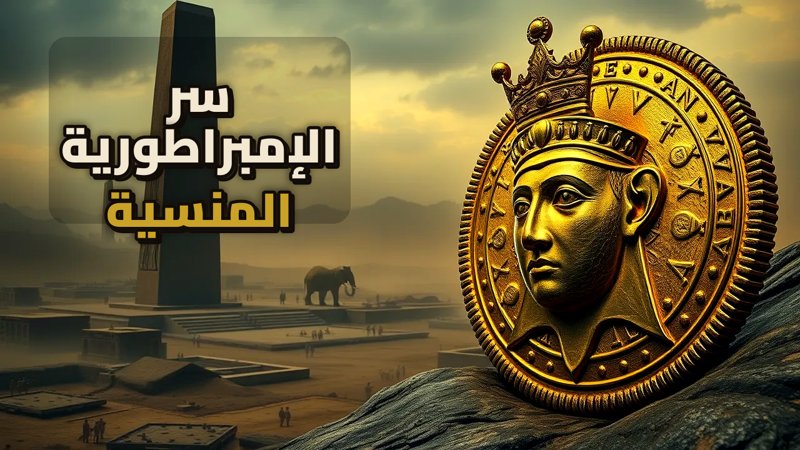
Aksum: The Forgotten African Empire That Competed with Rome
In the third century AD, the world was dominated by only four major superpowers capable of minting gold coinage: the Roman Empire, Sasanian Persia, China, and the African empire of Aksum. Bridging continents and controlling vital global trade routes, Aksum left behind monumental architecture and a legacy shrouded in mystery.
Navigate Content
The Global Economic Power of Aksum
During antiquity, Aksum was not an isolated kingdom. Its gold coins, purity of metal, and strategic geographic reach commanded respect from Rome to India. Much like the revelations found in studies of ancient civilizations such as Harappa and Mohenjo-Daro: The Mystery of the Organized Cities, Aksum demonstrated master-level urban and economic planning. It positioned itself as the indispensable middleman connecting the Mediterranean world with the riches of Africa and Asia.
Adulis: The Lifeline Port of the Empire
The true logistical hub of the empire was the bustling port of Adulis on the Red Sea. Documented in the rare historical guide known as the Periplus of the Erythraean Sea, Adulis was a melting pot of languages and cultures.
- Greek merchants haggled with local officials in Ge’ez.
- Roman sailors spoke Latin alongside traders from the Arabian Peninsula.
- Exotic goods like raw emeralds, elephant tusks, and precious stones were exchanged for fine Indian cloth and Italian wine.
Engineering Marvels: The Giant Granite Obelisks
Venture into the highlands of the capital, and you will encounter the towering stone obelisks of Aksum. These monolithic structures, some weighing over 160 tons, were carved from single pieces of granite. Transporting and erecting these ancient skyscrapers required immense human genius, earthen ramps, and thousands of workers moving in precise synchronization—reminiscent of the architectural wonders discussed in The Mystery of Hattusa: The Empire That Faced Ramesses II.
King Ezana and the Shift to Christianity
Power in Aksum was not solely maintained through economic dominance and military might. In the mid-fourth century AD, King Ezana orchestrated a profound cultural shift by adopting Christianity. The empire’s mints abandoned pagan symbols of the sun and moon in favor of engraving the Christian cross onto their currency, cementing a unified ideological identity across the empire’s stone corridors.
Frequently Asked Questions
Generated by AI Content Architect
About The Author