
When Gold Became Worthless: How Mansa Musa Crashed Cairo’s Economy
When Gold Became Worthless: How Mansa Musa Crashed Cairo’s Economy
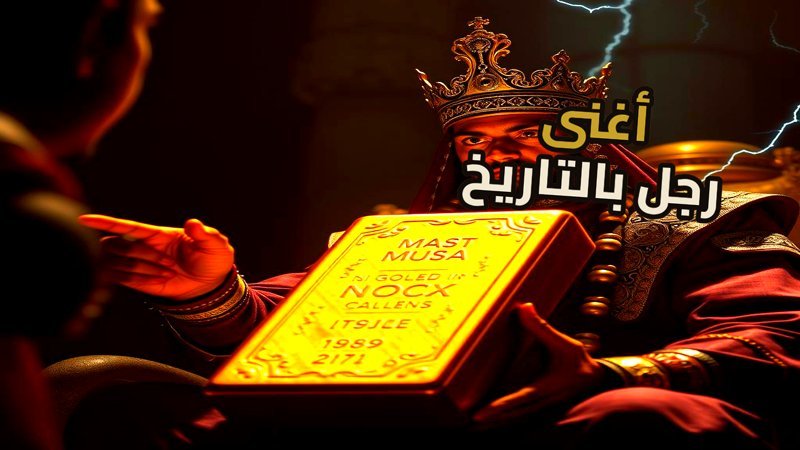
In 1324, the bustling streets of Cairo were transformed by an unprecedented event. Mansa Musa, the ruler of the Mali Empire, arrived with a caravan so vast and wealthy that his casual distribution of gold shattered the local economy, causing hyperinflation that lasted for over a decade. This is the story of how one man’s pilgrimage turned the ‘market of the world’ upside down.
Navigate Content
The Arrival of the Golden Caravan
When Mansa Musa’s procession entered Cairo, it was a spectacle of 60,000 people and thousands of camels laden with gold. The merchants of Cairo, accustomed to trading in silver dirhams, were overwhelmed. Mansa Musa’s entourage did not haggle; they tossed gold pieces as if they were worthless, leading to a massive devaluation of the metal. This event serves as a historical reminder of how sudden wealth influxes can destabilize even the most robust economies, much like the paradox of big lies in our modern perception of value.
The Wealth of the Mali Empire
Mansa Musa ruled an empire that controlled half of the world’s gold supply. His power was not just in his treasury, but in his strategic control of:
- Vital trans-Saharan trade routes.
- The lucrative salt trade, which was as precious as gold.
- A highly organized governing system that managed vast territories.
His journey was a calculated political move to showcase Mali’s stability to the world.
A Clash of Protocol and Diplomacy
The tension between the King of Mali and Sultan an-Nasir Muhammad ibn Qalawun nearly caused a diplomatic crisis. When asked to ‘kiss the ground’ before the Sultan, Musa refused, stating, ‘I do not prostrate myself except to God who created me.’ This moment of defiance highlights the cultural clash between two powerful empires, a theme often explored in historical mysteries like The Piri Reis Map.
The Aftermath of the Pilgrimage
The economic damage was severe. Because gold was so abundant, the price of basic necessities like grain skyrocketed. Cairo suffered from a strange paradox: people had pockets full of gold but were starving because the currency had lost its purchasing power. This 12-year economic crisis remains one of the most bizarre chapters in medieval history, proving that even the most precious resources can become worthless if they are too common.
Frequently Asked Questions
Generated by AI Content Architect
About The Author