Thousands of Years Before NASA: How Maya Engineers Purified Toxic Water
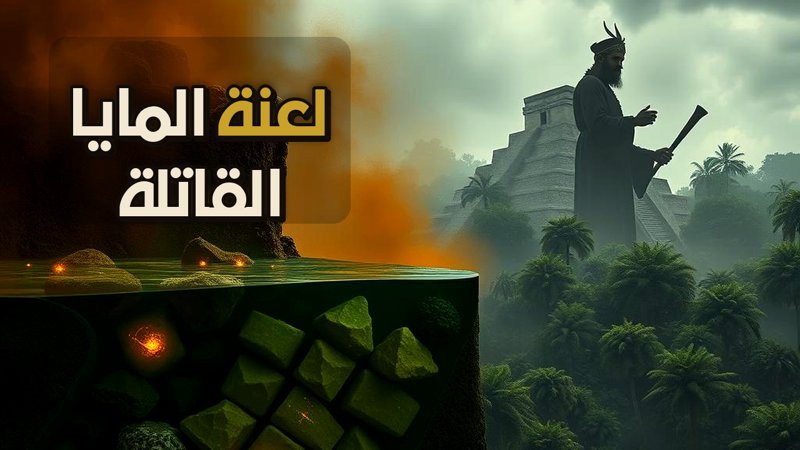
Thousands of Years Before NASA: How Maya Engineers Purified Toxic Water
When examining the sprawling city of Tikal, researchers have long been baffled by a singular mystery: how did tens of thousands of people survive in a jungle devoid of rivers or permanent lakes? While many viewed the Maya as a primitive society, recent archaeological discoveries suggest they were master engineers who solved a lethal environmental crisis through sophisticated, ancient technology.
Navigate Content
The Environmental Crisis of Tikal
The Maya faced a dire situation where their primary water source—rainwater stored in massive reservoirs—was contaminated. Volcanic ash introduced lethal levels of mercury, while toxic algae blooms turned their water supply into a health hazard. This struggle for survival is explored further in our look at ancient engineering feats.
The Zeolite Discovery
A team from the University of Cincinnati uncovered a geological anomaly at the bottom of the Corriental Reservoir: organized layers of quartz and zeolite. Because these minerals are not native to Tikal, the Maya had to transport them over 30 kilometers through dense jungle. This deliberate design indicates a high level of technical understanding, similar to the ingenuity found in other ancient sites like Derinkuyu.
How Zeolite Acts as a Natural Filter
Zeolite functions as a molecular sieve. Its crystalline structure contains narrow pores that trap contaminants while allowing water to pass. Key benefits include:
- Heavy Metal Removal: Effectively binds mercury and copper.
- Microbe Filtration: Traps bacteria and harmful pathogens.
- Purification: Produces water quality comparable to modern standards.
Empirical Science vs. Modern Assumptions
The debate persists: did the Maya understand microbiology, or was this a result of ‘spontaneous observation’? Regardless of their terminology, the Maya utilized properties of nanotechnology to protect their population. This mastery of their environment echoes the resourcefulness seen in other historical enigmas, such as the Roman Dodecahedron.
Frequently Asked Questions
Generated by AI Content Architect
About The Author