The Vilcabamba Mystery: The City the World Mistook for Machu Picchu
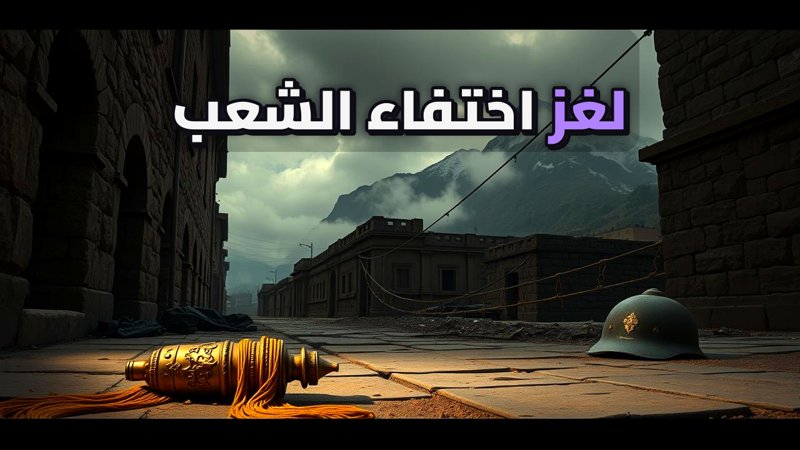
The Vilcabamba Mystery: The City the World Mistook for Machu Picchu
In 1533, Francisco Pizarro marched into Cusco expecting a bloody conquest, only to find a ghost city. While the Spanish believed they had conquered the Inca Empire, they had actually stumbled into a meticulously planned evacuation. This is the story of Vilcabamba, the true final capital of the Inca, and the 40-year game of cat-and-mouse that defined the Neo-Inca State.
Navigate Content
The Great Disappearance
When the Spanish arrived in Cusco, they found 12 million people missing from their capital. It was not a chaotic flight, but a highly precise logistical evacuation. The Inca left behind gold and food, choosing to retreat into the mountains rather than engage in a losing battle on the Spanish terms. This strategic withdrawal mirrors the concepts discussed in Tactical Withdrawal: The Psychological Power of Management by Absence.
Engineering a Fortress
The Inca transformation of the landscape into a defensive trap was a feat of engineering. Key elements included:
- Qhapaq Ñan: The destruction of bridges and stone passages to isolate the Spanish.
- Vertical Economy: Sophisticated agricultural terraces that allowed for self-sufficiency at 4,000 meters.
- Cloud Forest Defense: Utilizing the ‘Selva Alta’ to neutralize Spanish cavalry.
The Neo-Inca State
Far from surrendering, the Inca established a ‘hidden empire’ in Vilcabamba. Under leaders like Manco Inca, they adapted rapidly to European warfare, learning to ride horses and utilize captured iron weapons. Their intelligence network was so efficient that they tracked Spanish movements in real-time, often leading entire Spanish squads into the forest, never to be seen again. This resilience is reminiscent of other ancient defensive strategies, such as those seen in Derinkuyu: The Ancient Underground City Hidden Beneath Cappadocia.
The Invisible Killer and the Mistaken Identity
Ultimately, the resistance was not defeated by swords, but by the invisible threat of smallpox. As the forest reclaimed the secrets of Vilcabamba, the city faded into legend. In 1911, Hiram Bingham sought this final capital but famously stumbled upon Machu Picchu instead, cementing a historical misunderstanding that lasted for decades.
Frequently Asked Questions
Generated by AI Content Architect
About The Author