
The Truth Behind the Bodies of Pompeii in 79 AD
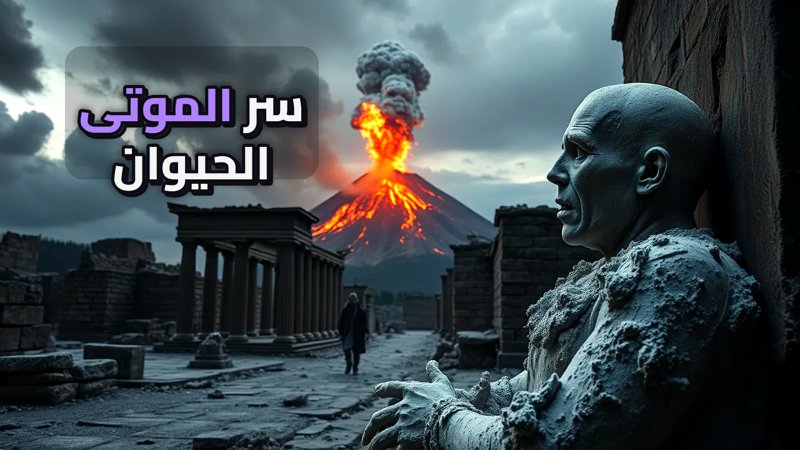
The Truth Behind the Bodies of Pompeii in 79 AD
When you visit Pompeii today, you might initially feel as though you are simply walking among the ruins of an ancient city. In reality, the place is far from quiet. There is an eerie sensation, as if you are hearing echoes from exactly two thousand years ago.
Navigate Content
A City Frozen in Time
When you look around Pompeii, you do not just see statues; you see real people. Bodies remain frozen in the exact positions they held before the end—plaster casts that preserved expressions of fear, astonishment, and attempts to shield themselves. Each figure tells a silent story. For those interested in how ancient civilizations faced monumental shifts, you might also explore The Maya Civilization: Did They Disappear or Adapt? to see how other societies handled cataclysms.
Daily Life Before the Catastrophe
Before Mount Vesuvius awoke, Pompeii was a bustling, vibrant Roman city. Streets were filled with the clamor of vendors, the aroma of freshly baked bread, and the lively atmosphere of public baths and large theaters. Life followed a calm, routine rhythm, much like other historical trade hubs discussed in stories such as Palmyra: How a Trading Oasis Became Rome’s Greatest Rival.
Ignoring the Earth’s Warning Signs
For years, residents grew accustomed to minor tremors they called ‘the mountain’s sigh.’ Even after a powerful earthquake in 62 AD heavily damaged the city, they simply rebuilt. They never imagined the mountain could be their enemy. Similar natural warning signs have baffled historians in other catastrophic events, akin to The Tunguska Blast Mystery: The 1908 Siberian Catastrophe.
The Eruption of 79 AD
On the morning of August 24, 79 AD, a thin column of smoke appeared from the summit of Vesuvius. The initial reaction among the population was curiosity rather than panic, as volcanology did not yet exist to warn them. Soon after, the sky turned pitch black, and dark gray pumice began to rain down upon the doomed city.
Frequently Asked Questions
Generated by AI Content Architect
About The Author