
The Dancing Plague of 1518: When Doctors Prescribed Death as a Cure
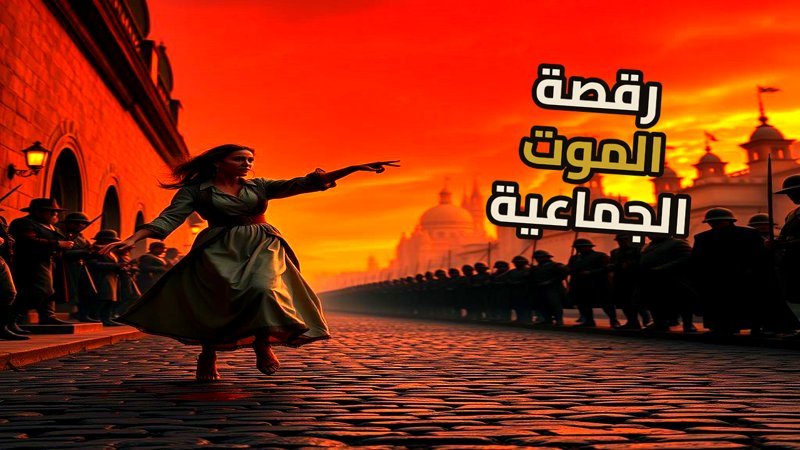
The Dancing Plague of 1518: When Doctors Prescribed Death as a Cure
Navigate Content
The Unsettling Genesis of the Plague
Hours passed, the day ended, the sun set and rose again, and Troffea continued. Sweat drenched her clothes, causing the fabric to cling to her skin, and her breathing became a loud, painful gasp, like one struggling against death. Neighbors began to gather, whispers filling the air, and terror crept into their hearts as they watched this woman transform into a tireless kinetic machine. Eventually, her feet began to bleed, leaving faint red marks on the ground with every painful step.
Everyone expected Troffea to collapse and for the ordeal to end, but no one could have imagined that this horrific physical exhaustion was merely the spark that would ignite a widespread catastrophe, nor that the silence in which she danced would transform into a collective scream, as the contagion began to spread like wildfire.
A Contagion of Movement
The Bizarre Diagnosis and the ‘Cure’
The diagnosis was that the victims suffered from a physical ailment they termed ‘hot blood.’ According to the logic of that era, blood was believed to boil within the veins, compelling the limbs into violent movement as a form of involuntary release. Therefore, the doctors prescribed the most bizarre treatment in medical history; they explicitly stated: ‘Let them dance; dancing is the only cure that will cool their blood and release this energy.’
State-Sponsored Death Dance
The plan was to turn the city into an open-air dance floor around the clock, assuming that complete physical depletion was the only path to recovery. They did not realize they were building a collective ‘guillotine,’ and that the music playing in the background was not for joy; it was a ‘funeral march’ accelerating the victims’ steps towards the grave. Everything was ready: the stages, the musicians, and the victims who had no luxury of refusal. As soon as the music intensified, the true horror began to reveal its terrifying features upon the wooden platforms.
The Grim Harvest of the Dance
In the scorching heat of July 1518, death did not wait for anyone to come to it; it was leading the dance in the squares. Historical records document terrifying moments; the rate reached 15 funerals per day. People did not die peacefully; they collapsed at the peak of their kinetic explosion, succumbing to:
- Sudden heart attacks
- Strokes
- Lungs bursting from lack of oxygen
- Cracked bones from continuous strain
- Artery failure to pump blood to exhausted hearts
The most difficult scene in this tragedy was in the eyes of the dancers. Silent, heartbreaking pleas for help, lips moving with inaudible words begging for mercy, but the body was trapped in a kinetic ‘furnace’ with no off switch, as if the nerves had disconnected from the mind. The dark irony here was that the musicians hired by the authorities continued to beat their drums violently, and the ‘sturdy men’ whose job was to support the sick so they wouldn’t stop, were effectively dragging them towards the grave, believing they were applying the correct medical prescription.
Frequently Asked Questions
About The Author