The Caspian Sea Mystery: Why a Single Word Almost Ignited a War
The Caspian Sea Mystery: Why a Single Word Almost Ignited a War
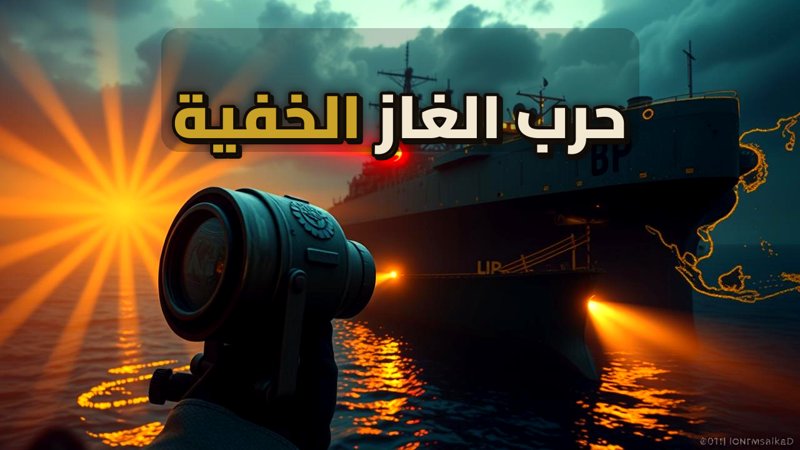
On July 23, 2001, the calm waters of the Caspian Sea were shattered when an Iranian destroyer threatened a BP research vessel. This tense standoff was not just a border skirmish; it was a flashpoint in a high-stakes geopolitical struggle that threatened to pull superpowers into a nuclear confrontation. At the heart of the crisis lay a single, deceptively simple question: Is the Caspian a sea or a lake?
Navigate Content
The 2001 Standoff: A Test of Nerves
The incident involving the ‘Geophysics 3’ vessel and the Iranian destroyer ‘Alborz’ marked a dangerous escalation in the post-Soviet era. With guns trained on the crew and communications severed, the world watched as the Alov field became a collision point for East-West influence. This event mirrors the geopolitical tensions explored in The Sand War of 1963, where regional disputes threatened to spiral into larger international crises.
Sea vs. Lake: A Billion-Dollar Definition
The legal status of the Caspian determines the wealth of the five bordering nations. The distinction is critical:
- If a Sea: The UN Convention on the Law of the Sea applies, granting each nation an Exclusive Economic Zone (EEZ) based on their coastline.
- If a Lake: Resources are considered ‘common heritage,’ requiring unanimous consent for any project, which historically favored Russian and Iranian control.
Conflicting National Interests
Each of the five nations viewed the Caspian through a different lens:
- Russia: Prioritized national security and maintaining its role as the primary regional power.
- Iran: Pushed for an equal 20% split to compensate for its limited coastline.
- Azerbaijan, Kazakhstan, and Turkmenistan: Insisted on proportional division based on coastline length to maximize their energy independence.
The Role of Pipelines and Global Superpowers
The conflict transcended local borders when global oil companies and Western interests entered the fray. Pipelines became the ‘password’ that changed all calculations, turning a legal debate into a major international crisis. Much like the strategic maneuvering seen in The Price of Survival, the Caspian dispute proved that economic necessity often dictates the movement of armies.
Frequently Asked Questions
Generated by AI Content Architect
About The Author