How Mount Vesuvius Preserved Pompeii: The Irony of Destruction
How Mount Vesuvius Preserved Pompeii: The Irony of Destruction
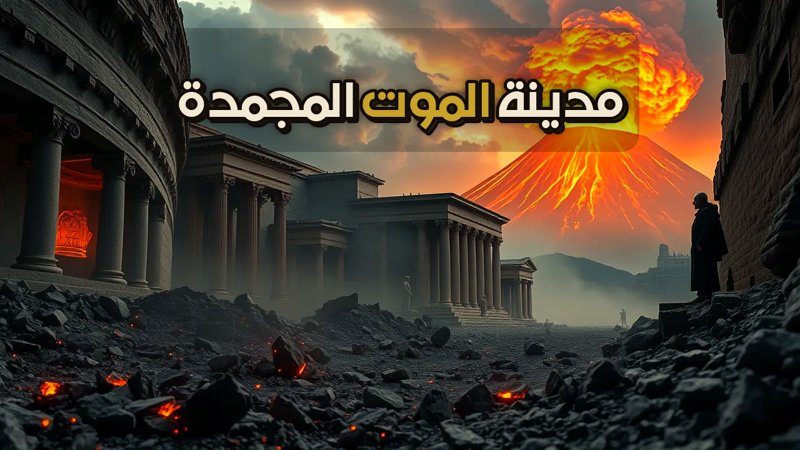
In the autumn of 79 AD, daily life in Pompeii proceeded as normal until Mount Vesuvius erupted. Rather than following the traditional volcanic scenario of slow-moving lava, the volcano unleashed a massive cloud of ash and lapilli that buried the city within hours, freezing an entire civilization in time and safeguarding it from decay for nearly 1,700 years.
Navigate Content
The Unique Geological Mechanism of Burial
Unlike molten lava which would have melted and destroyed buildings, the eruption blanketed Pompeii in lightweight, porous lapilli stones and dense ash. This created a physical shell that sealed doorways and windows without crushing the infrastructure. Following the lapilli phase, pyroclastic surges caused thermal shock, perfectly desiccanting organic materials and burying the city up to six meters deep.
The True Secret: Oxygen and Moisture Exclusion
The ultimate preservation of Pompeii’s minute internal details lies in the complete exclusion of oxygen and moisture. Without these elements, bacteria and fungi could not survive to cause natural decomposition. Wood, leather, fabric fibers, and delicate food remnants were securely isolated in a near-vacuum environment, transforming the volcanic debris into a solid thermal and atmospheric insulation capsule.
Geographical Alteration and Lost Landmarks
The cataclysmic ash fall did much more than simply conceal structures; it dramatically altered the regional geography. Vesuvius pushed the coastline back by about two kilometers, elevated the ground level, and forced the Sarno River to change its course. Pompeii transitioned from a thriving maritime port to an underground enigma, vanishing from maps entirely. For insights into how ancient societies managed large-scale infrastructure and regional impacts, you might find connections in discussions like When the River Dried Up: The Mystery of Bronze Age Cities.
Thieves, Farmers, and Centuries of Oblivion
In the decades following the disaster, early scavengers and thieves known as ‘saccarii’ attempted to dig tunnels for gold and statues, but were largely thwarted by the extreme thickness of the strata. Over the next two centuries, the volcanic ash weathered into fertile agricultural soil. Medieval farmers cultivated vineyards and drove stakes deep into the ground, completely unaware that bustling Roman streets lay just six meters beneath their boots.
Rediscovery Through Engineering and Royalty
For hundreds of years, Pompeii remained a distant memory found only in obscure Roman texts. The first modern thread of the lost city was struck in 1599 by engineer Domenico Fontana during an aqueduct project, though the site was quickly re-buried. True excavation finally commenced in 1748 under King Charles III of Naples, driven initially by a royal desire to unearth art for palaces, which ultimately transformed into an organized historical excavation.
Frequently Asked Questions
Generated by AI Content Architect
About The Author