Delmon & The Mystery of Class-Based Burial Mounds in Bahrain
Delmon & The Mystery of Class-Based Burial Mounds in Bahrain
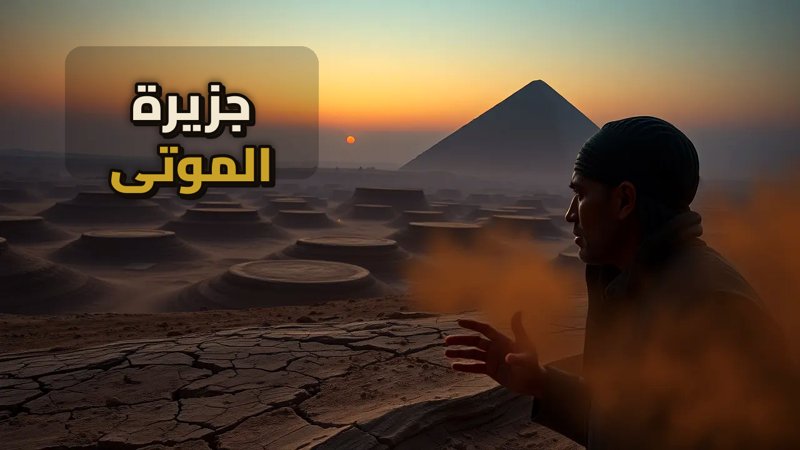
When we look at the map of Bahrain, we encounter a strange and baffling sight. Approximately 170,000 burial mounds cover vast areas of the island. Why would an entire civilization expend this immense effort, and what drove kings of other civilizations to wish specifically to be buried in the land of Dilmun?
Navigate Content
The Scale Framework: An Island of the Dead
When we speak of 170,000 mounds, this is a staggering number compared to the island’s small area. The number of tombs far exceeds the estimated population of Dilmun at that time, compelling us to ask if Bahrain was receiving the dead from other places like Sumer and Babylon. As explored in When the River Dried Up: The Mystery of Bronze Age Cities, ancient urban centers held secrets that baffled modern archaeologists. The matter was not merely one of random burials, but carefully constructed limestone chambers designed to withstand the test of time.
Dilmun in Mythology: The Land of Paradise
In ancient mythologies, Dilmun was considered the ‘Land of Paradise,’ the place blessed by the god ‘Enki’ with freshwater. This sanctity made the idea of being buried there a major privilege. Much like the quests for eternal life seen in Gilgamesh: The True Story Behind History’s First Epic Hero, the elites of Mesopotamia yearned to touch the divine. Being interred in this sacred soil was viewed as the ultimate ticket to a favorable afterlife.
Social Stratification in Funerary Architecture
When we approach these mounds and examine them closely, we find that they are not all of a single design. Alongside very simple mounds, we discover massive ‘royal tombs’ featuring multiple tiers and complex chambers. This diversity demonstrates that Dilmun society was strictly stratified, reflecting the power and influence of the deceased. Such monumental architecture often mirrors historical engineering feats, paralleling the enigmatic structures found in Stonehenge: The 240-Kilometer Mystery of Prehistoric Engineering.
The Immortal Supply Chain: Trading in Sanctity
The entire story begins with Dilmun’s highly distinctive geographical location at the heart of ancient maritime trade routes, connecting Mesopotamia and the Indus Valley. Dilmun traded in more than just copper from Magan and pearls from the Arabian Gulf; it traded in ‘sanctity’ itself. Merchants and the wealthy were willing to pay astronomical sums to ensure their dead were buried in this land of eternity, establishing one of the earliest manifestations of investing in the afterlife.
Frequently Asked Questions
Generated by AI Content Architect
About The Author