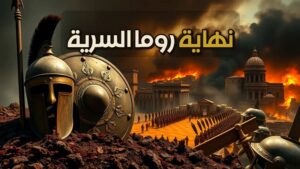
The Mamilla Tragedy: Uncovering 10,000 Skeletons Beneath Jerusalem
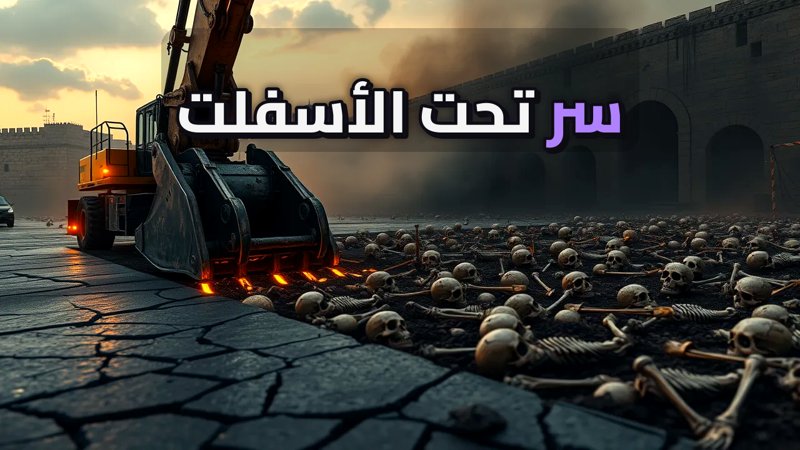
The Mamilla Tragedy: Uncovering 10,000 Skeletons Beneath Jerusalem
Jerusalem, 1992. During a routine road-widening project near the Mamilla district, construction workers struck something entirely unexpected beneath the modern asphalt: human bones in unreasonable quantities. This accidental discovery revealed a hidden mass grave containing the remains of 10,000 individuals, pointing to a forgotten historical tragedy dating back to the Crusader siege of 1099.
Navigate Content
The Accidental Discovery Beneath the Asphalt
What began as standard engineering work involving bulldozers and modern parking lot preparations quickly turned into an archaeological shock. The teeth of an excavator struck human remains rather than rock or old water pipes. As excavation expanded, workers realized they were not uncovering a small cemetery, but entire expanses of remains. Thousands of skeletons were stacked haphazardly on top of one another in caves and mass graves, hidden for centuries beneath a bustling urban landscape where people walked every day. Similar historical ground-shaking archaeological discoveries, such as Did 2,000 Ships Sink at Once in Alexandria? Seafloor Evidence Revealed, often rewrite our understanding of ancient catastrophes.
The Siege of Jerusalem in 1099
To understand how these bones arrived beneath the Mamilla district, historians must travel back over 900 years to the summer of 1099. Jerusalem was enduring a brutal, five-week-long siege with scarce water and harsh summer heat. Inside the walls, the Fatimid garrison and local inhabitants struggled to hold out, while outside, Crusader armies closed in with unstoppable momentum. The Mamilla district at the time was an open area featuring a massive water reservoir—a vital lifeline and refuge located very close to the Jaffa Gate, directly in the line of fire.
Mamilla Pool: A Deadly Trap
On July 15, 1099, the Crusader armies finally breached the walls, and a flood of fighters surged into the narrow streets. Desperate soldiers and terrified civilians fled in a single direction toward the Mamilla pool, believing it offered sanctuary or an escape route. Instead, Mamilla became a deadly trap.
- Extreme Congestion: 10,000 people crammed into a tight space around the reservoir, making movement impossible.
- Brutal Close Combat: Crusader forces caught up with the refugees, resulting in merciless sword slashes, spear thrusts, and axe blows.
- Suffocation and Trampling: Many victims perished not from direct weapon strikes, but from being crushed and suffocated in the panicked crowd.
Forensic Evidence from Ancient Bones
When archaeologists and specialists examined the bones unearthed from beneath the asphalt, they were essentially reading a forensic report of an ancient massacre. Laboratory analyses revealed chilling details:
- Severe Trauma: Skulls bore deep fractures from clumsy axe blows, while limb bones carried distinct sword marks.
- Civilian Casualties: Researchers identified the bones of women, children, and the elderly alongside soldiers.
- Haphazard Disposal: There were no traces of religious rites or normal burials; bodies were cast rapidly on top of one another.
This brutal liquidation spared no one who sought refuge near the pool.
Frequently Asked Questions
Generated by AI Content Architect
About The Author