The Stones of Mongolia: Deciphering Ancient Turkic History
The Stones of Mongolia: Deciphering Ancient Turkic History
In the vast and unforgiving wilderness of Mongolia, a monumental discovery in 1889 changed our understanding of nomadic civilizations forever. Two towering stone monoliths inscribed with enigmatic runic characters proved to be the key to unlocking the history of the Göktürks, shifting our perspective from biased external accounts to the vibrant voice of the empire itself.
Navigate Content
The Discovery in the Orkhon Valley
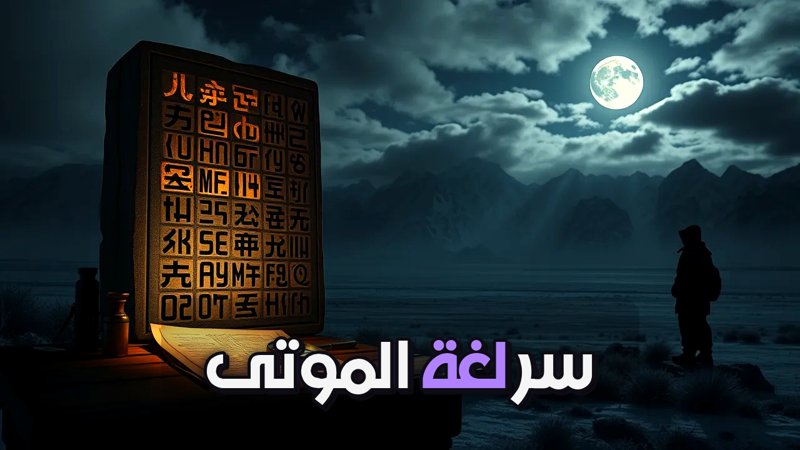
Imagine yourself in the year 1889, facing the biting cold of the Mongolian wilderness. Russian scholar Nikolai Yadrintsev stumbled upon two massive stone monoliths covered in incomprehensible inscriptions. These texts resembled the runic alphabet of Northern Europe, presenting scholars with a profound visual puzzle. Just as the Rosetta Stone: How a Single Discovery Decoded Ancient Egyptian provided a breakthrough for hieroglyphs, these stones held the secret to a forgotten script.
The Race to Decipher the Runes
When copies of the inscriptions reached Europe, a fierce academic competition erupted between Danish linguist Vilhelm Thomsen and Russian Vasily Radlov. By analyzing character frequencies and comparing the runic text with accompanying Chinese inscriptions, Thomsen made a monumental breakthrough in 1893. He identified the words ‘Tengri’ (God/Sky) and ‘Türk’, proving the script was the oldest known written Turkic language.
Shattering the Myth of Barbarism
The decipherment of the stones shattered the stereotypical European and Chinese portrayal of Turkic peoples as mere barbarians. Instead, it revealed a sophisticated society with a highly developed linguistic system and legal framework. This linguistic triumph served as the true birth certificate of an empire that controlled vast Central Asian territories.
The Power of the Heavenly Turks
Dating back to the 6th century AD, the Göktürks established an empire that served as the vital bridge between East and West along the Silk Road. Governed by a Khagan under a strict legal system known as the ‘Tör’, they balanced military might with sophisticated statecraft, maintaining their unique identity despite intense cultural and economic pressures from China’s Tang dynasty.
Frequently Asked Questions
Generated by AI Content Architect
About The Author