City of the Sun: The Myth and Reality of the Lost Desert City
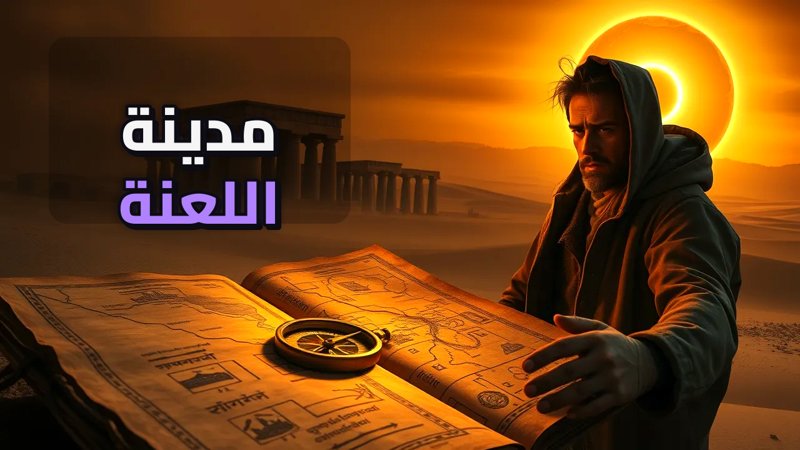
City of the Sun: The Myth and Reality of the Lost Desert City
Navigate Content
The Roots of the Legend: Beyond Bedtime Tales
This narrative, handed down from generation to generation, was never merely bedtime tales or children’s stories. Rather, it genuinely preoccupied researchers and explorers of every era. Much like the accounts found in Case File 360 BC: The Truth Behind Sunken Atlantis, a lost city named the “Sun” hinted at a special significance and a power connected to ancient beliefs.
- Historical roots: Ancient texts written in forgotten languages.
- Manuscript references: Vague inscriptions hinting at a monumental secret.
- Collective memory: A perplexing historical case fascinating historians and adventurers.
Historical Clues from Herodotus and Ptolemy
What was once dismissed as mere chatter proved to exist tangibly in numerous historical writings. In the works of prominent historians like Herodotus, we find hints of cities of exceptional importance linked to the power of the sun. Similarly, ancient maps by Ptolemy reference incomprehensible regions and vanished cities.
As explored in studies like Aksum: The Forgotten African Empire That Competed with Rome, ancient texts often hold fragments of truth about thriving civilizations that time nearly erased.
The Brutal Realities of Desert Expeditions
The search for the City of the Sun drove many explorers during the 19th and 20th centuries to embark on grueling quests. These individuals left ordinary lives behind to face severe hardships in the desert.
- Extreme conditions: Thirst, rapidly spreading diseases, and rugged terrain.
- Despair: Long periods passing without any conclusive results.
- Sacrifice: Many explorers met with failure, illness, or death.
Scientific Methods and Lasting Legacy
Despite failing to locate the city immediately, these expeditions were far from ordinary adventures. They utilized the scientific methods of the time, drawing maps and recording precise observations about landforms.
Much like the engineering puzzles discussed in The Mystery of the Carnac Alignments: Stone Age Engineering, every observation recorded gradually narrowed the search radius and reinforced the conviction that the city was a real, elusive target.
Frequently Asked Questions
About The Author