The Himba Tribe: Flawless Skin Without a Single Drop of Water
The Himba Tribe: Flawless Skin Without a Single Drop of Water
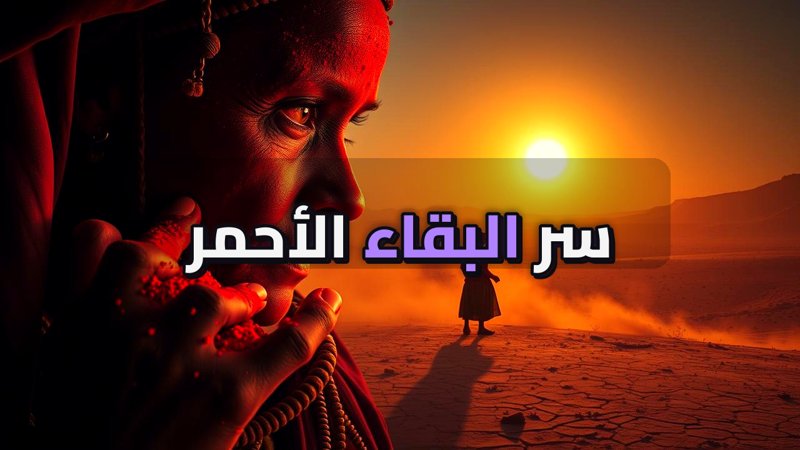
Amid the scorching sands of the Namib Desert, where temperatures soar to nearly 45 degrees Celsius and water is a precious commodity, the women of the Himba tribe thrive. Remarkably, they maintain smooth, glowing, and perfectly protected skin without ever touching a single drop of water for bathing. Instead, their lives and beauty rituals are governed by an ancient tradition centered around a unique red paste.
Navigate Content
The Rule of No Water in the Namib Desert
In a dry and unforgiving environment like the Namib Desert, fresh water is exceptionally precious. Consequently, using it for bathing could threaten their very survival—a luxury no one can afford. There is a clear and unyielding rule: from the moment a girl reaches puberty, she is strictly prohibited from using water to cleanse her body. Water is reserved exclusively for drinking and cooking, and for the men only under rare circumstances related to herding in the remote desert. For insights into how ancient cultures adapted to extreme environments, you might find parallels in stories like The Mystery of Egypt’s White Desert: From Ancient Seabed to Chalk Land.
The Secret Concoction: Otjize
So, how do they compensate for this total absence of water? The secret begins every morning with a specific concoction prepared by the women’s own hands, known as otjize. The process involves several key elements:
- Hematite: A mineral stone rich in iron oxide, ground laboriously between heavy rocks into a fine, dark-red powder.
- Butterfat: Extracted from cattle through boiling and straining, then blended with the mineral powder.
- Aromatic Resin: Gathered from the bark of a wild native tree to provide a distinct, natural fragrance reminiscent of earth after rain.
A Comprehensive Natural Defense System
While perceived merely as a cosmetic color, otjize actually functions as a comprehensive, natural defense against the harsh environment. Researchers who analyzed its components discovered that:
- The red hematite powder acts as a barrier that reflects sunlight and protects the skin from severe burns.
- The milk fat forms an insulating layer that locks natural moisture within the skin, preventing dryness and cracking.
- The aromatic herbal scent serves as a natural mosquito and insect repellent.
This deep connection to the earth and survival mirrors how other ancient societies engineered survival tools, reminiscent of ingenuity seen in The Mystery of Puma Punku: Ancient Engineering or Lost Technology?.
Identity, Status, and the Sacred Fire
A glance at any Himba woman immediately reveals that her body is an open book narrating her life story. This red mixture, combined with intricate hairstyles, expresses their identity and social status. Unmarried girls wear braids falling forward, while pubertal girls extend their hair with goat hair and tree fibers, enveloped in otjize. Married women wear a small goatskin crown called the erembe. Furthermore, at the center of every village burns a perpetual fire known as the okuruwo, serving as a daily conduit to their ancestral spirits and deepening their sacred bond with the color red.
Frequently Asked Questions
Generated by AI Content Architect
About The Author