The Great Sand Sea Mystery: Did Ancient Cataclysms Create the Desert Glass?
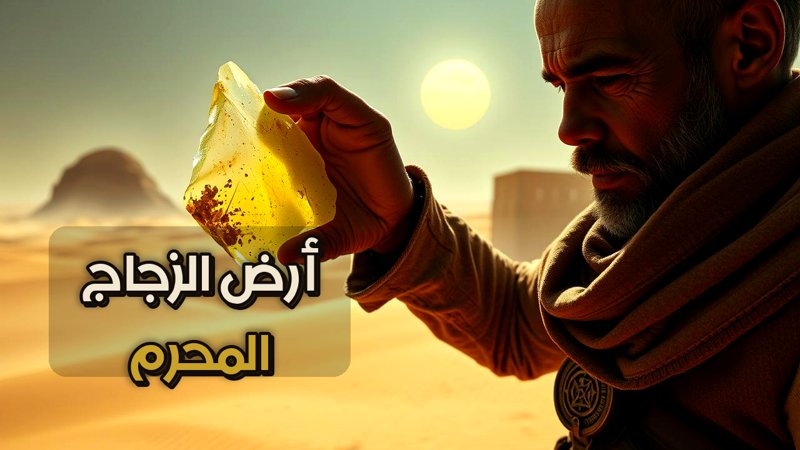
The Great Sand Sea Mystery: Did Ancient Cataclysms Create the Desert Glass?
Deep within the desolate Great Sand Sea, explorers have long been baffled by the presence of vast fields of high-purity translucent glass. This geological anomaly, requiring temperatures exceeding 2,000 degrees Celsius to form, has sparked intense debate: is this the result of a natural cataclysm, or does it point to a forgotten, technologically advanced civilization?
Navigate Content
The Glass of the Great Sand Sea
In the 1930s, explorers like Patrick Clayton discovered fields of green and yellow glass with a purity of 98%. This material is not a common geological occurrence. Science dictates that such transformation requires extreme, instantaneous heat, yet the region lacks any volcanic history. This mystery mirrors other unexplained phenomena, such as The Tunguska Event, where massive energy releases left scientists searching for answers.
Legends of Lost Cities
The existence of this glass has fueled ancient folklore, including:
- Ubar: The legendary city said to have been swallowed by the sands.
- Iram of the Pillars: A city described in the Quran with shimmering, jewel-like walls.
- The City of Brass: A recurring motif in One Thousand and One Nights.
These tales suggest that the desert dwellers may have been attempting to describe a reality that was far more brilliant than the harsh, barren landscape they inhabited.
Philby’s Discovery in the Empty Quarter
In 1932, explorer ‘Abdullah Philby’ ventured into the Empty Quarter hoping to find evidence of these lost cities. Instead of palaces, he found:
- Scattered iron masses.
- Sand that appeared ‘burnt’ or fused.
- Strange, crater-like depressions.
While Philby initially suspected volcanic activity, the lack of geological evidence for volcanoes in the region leaves the source of this intense, destructive heat as a profound enigma.
The Scientific Dilemma
The physical evidence—vast stretches of fused sand—suggests a singular, massive event. Without industrial tools or volcanic activity, we are left with a void in our understanding of history. Much like the mystery surrounding ‘Oumuamua, the glass forces us to consider whether we are looking at natural phenomena or the remnants of an event that defies our current historical timeline.
Frequently Asked Questions
Generated by AI Content Architect
About The Author