The Silk Road and the Pax Mongolica: How Trade Fueled the Black Death
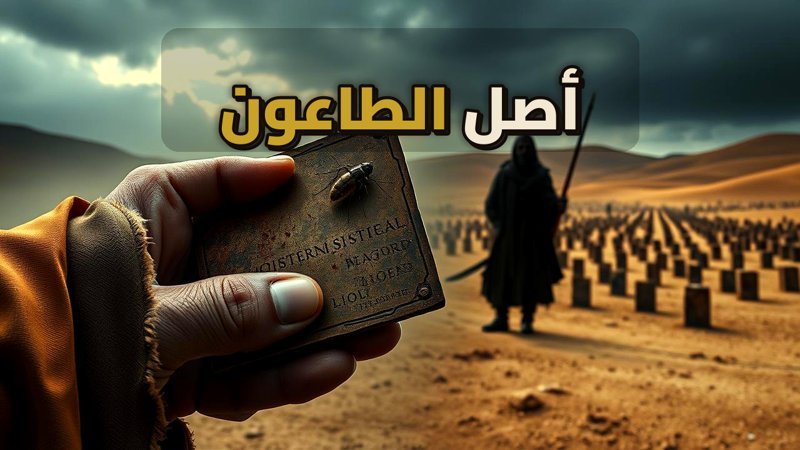
The Silk Road and the Pax Mongolica: How Trade Fueled the Black Death
The Silk Road is often romanticized as a path of luxury and cultural exchange. However, beneath the veneer of silk and spices lay a darker reality: a logistical network that inadvertently facilitated one of history’s greatest tragedies. By creating the ‘Pax Mongolica,’ the Mongol Empire inadvertently paved the way for the bubonic plague to reshape the world.
Navigate Content
The Pax Mongolica: A Double-Edged Sword
The 14th-century ‘Pax Mongolica’ established a single, unified authority from China to Europe. While this created a golden age of trade, it also eliminated the natural ‘quarantine’ barriers of distance. With the use of the paiza (a metal passport) and a rapid postal system, the Silk Road became a high-speed corridor for more than just goods—it became a highway for Yersinia pestis.
The Biological Glitch: How the Plague Traveled
The spread of the plague was not a matter of human intent, but a biological phenomenon involving:
- Marmots: The original reservoir in Central Asian steppes.
- Fleas: The vector that suffered a ‘biological glitch’ when bacteria blocked their digestive systems.
- Rats: The carriers that hid in grain sacks and silk bales.
Because the fleas were starving, they bit aggressively, regurgitating bacteria into every host they encountered along the crowded trade routes.
From Caravanserais to Global Catastrophe
The congestion of caravanserais—the rest stops of the Silk Road—provided the perfect environment for the bacteria to jump from animal to merchant. This process, repeated thousands of times, turned a local outbreak into a transcontinental disaster. Much like the mysteries explored in The 1915 Epidemic Mystery, the Black Death proved that invisible forces can dismantle civilizations faster than any army.
The Siege of Caffa: The Turning Point
In 1347, the city of Caffa became the epicenter of the transition from a regional outbreak to a global pandemic. As the Mongol army under Janibeg besieged the Genoese port, the plague struck the besiegers. This moment marked the beginning of the end for the medieval world, proving that even the most sophisticated logistical systems—much like those discussed in How to Leverage AI to Automate Repetitive Business Tasks—can have catastrophic, unforeseen consequences.
Frequently Asked Questions
Generated by AI Content Architect
About The Author