The Soldiers Who Lived in the Ice for 40 Years After WWII
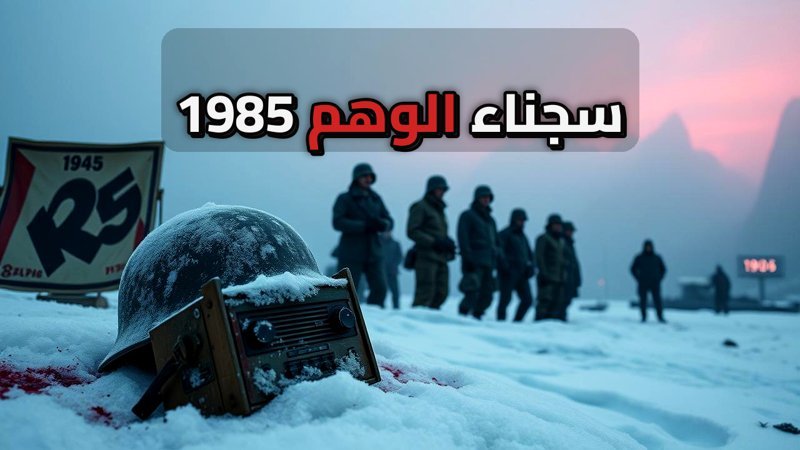
The Soldiers Who Lived in the Ice for 40 Years After WWII
In 1985, while the world was captivated by the space race and the rise of pop culture, a startling discovery was made in the frozen peaks of Norway. A group of German soldiers, still wearing their rusted uniforms and clutching their weapons, were found living in a time capsule of their own making. They were convinced that World War II was still raging, a belief that had kept them in total isolation for four decades.
Navigate Content
The Fortress of the North
During the war, Norway was considered the ‘Fortress of the North’ by the German military. Hitler feared an Allied invasion from this region, leading to the deployment of small, isolated observation units in remote mountain passes. These soldiers were tasked with holding their ground, but when the radio silence began in 1945, they interpreted it as a ‘test of resolve’ rather than a defeat. For more on how isolation affects human behavior, see The 1971 Stanford Prison Experiment.
Survival in the Frozen Wilderness
To survive for 40 years without modern supplies, these men developed a rigorous survival system:
- Fashioning sewing needles from fish bones to repair uniforms.
- Using animal fat as fuel for lamps.
- Harvesting sea salt to preserve meat in snow pits.
Their commitment to their mission was absolute, mirroring the extreme dedication seen in other historical enigmas like Derinkuyu: The Ancient Underground City.
The Psychology of the Mirage
The soldiers’ minds became their own prison. They lived by a strict military routine, including daily roll calls and weapon maintenance. Every modern advancement they witnessed was filtered through their wartime paranoia: jet planes were seen as secret weapons, and tourist villages were viewed as enemy movements. This phenomenon of cognitive dissonance is a recurring theme in history, much like the mysteries explored in The Voynich Manuscript.
The Final Confrontation
The illusion finally shattered in 1985 when a Norwegian mountaineer stumbled upon their camp. He found men with long white beards and tattered clothing, asking in archaic German if the war was over. The realization that their entire lives had been spent guarding a ‘mirage’ marked the tragic end of their 40-year vigil. Their story serves as a chilling reminder of how fear and doctrine can override reality.
Frequently Asked Questions
Generated by AI Content Architect
About The Author