The Paradox of Big Lies: Why We Believe the Impossible
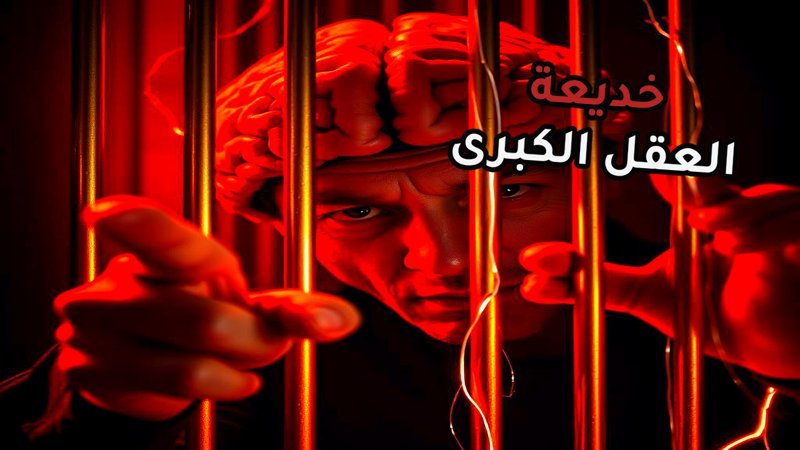
The Paradox of Big Lies: Why We Believe the Impossible
Why does the human mind scrutinize the smallest, most plausible details of daily life while blindly accepting monumental, impossible delusions? This cognitive paradox reveals a flaw in our mental architecture, where the scale of a lie often serves as its own shield against skepticism.
Navigate Content
The Radar of Skepticism vs. The Grandiose Void
We are naturally equipped with a ‘radar’ for small-scale deception. If a colleague is late, we analyze their tone and body language, searching for inconsistencies. However, this mechanism fails when faced with massive, impossible promises. As discussed in Body Language: The Scientific Truth Behind Detecting Liars, our ability to detect falsehoods is tied to our capacity to grasp the context. When a lie is too large to comprehend, we assume no one would dare fabricate it, leading us to accept the impossible as ‘sacred’.
The Illusory Truth Effect: Sculpting Consciousness
The ‘Illusory Truth Effect’ dictates that repetition transforms a lie into a perceived reality. This process is not merely about nagging; it is a form of psychological sculpting.
- Repetition anesthetizes critical thinking centers.
- Familiarity is mistakenly associated with truth.
- The lie eventually becomes an environment we breathe, rather than just information we process.
This manipulation is a core component of psychological control, similar to the tactics explored in Project MKUltra: The CIA’s Dark Quest to Control Human Consciousness.
The Silent Partner: Why We Protect the Lie
The survival of a ‘Big Lie’ depends on our own participation. We often act as silent partners, sealing the cracks where truth might enter because we fear the collapse of our ‘psychological home.’ We choose the collective illusion to maintain our sense of belonging. This defensive mechanism is a powerful tool for those who understand how to manipulate perception, as seen in The Triangular Gaze: Decoding the Secret Weapon of Psychological Control.
Breaking the Cycle of Selective Blindness
To escape the trap of the big lie, one must recognize that truth is often accused because it is simple and debunkable, while grandiosity creates a void that we fill with our own justifications. We must learn to question the ‘stillness’ of those selling illusions. Just as we analyze historical anomalies like those in The Crystal Skull Hoax: Unmasking History’s Greatest Museum Deception, we must apply that same rigor to the narratives that define our modern reality.
Frequently Asked Questions
Generated by AI Content Architect
About The Author