The Book of the Dead: Did the Poor Steal the Secrets of Immortality?
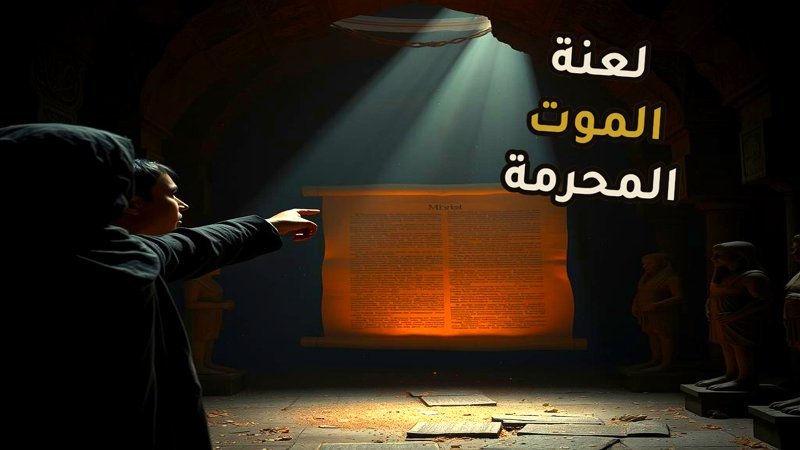
The Book of the Dead: Did the Poor Steal the Secrets of Immortality?
When workers unearthed an anonymous tomb, they expected gold but found something far more dangerous: a 16-meter-long papyrus scroll. This was not a mere funerary text, but a ‘minefield map’ for the afterlife, containing rituals that could either grant godhood or result in total oblivion. This discovery challenges our understanding of ancient Egyptian class structures and the lengths to which the poor would go to cheat death.
Navigate Content
The Minefield of the Afterlife
The ancient Egyptians were not merely preparing for death; they were terrified of it. The Book of the Dead served as a complex survival guide. If a soul mispronounced a single incantation, they risked being erased from existence. Much like the ancient mysteries of the Sun Gate, this scroll acted as a high-stakes manual for navigating a realm where failure meant being devoured by monsters.
The Art of the Divine Lie
Perhaps the most shocking revelation is the inclusion of ‘legal defense strategies’ within the text. Spell 125 instructs the deceased on how to deceive the 42 gods during the weighing of the heart ceremony.
- The heart is weighed against the feather of Maat.
- The scroll provides the ‘model answers’ to ensure the heart remains silent.
- It is essentially an ancient form of artificial intelligence designed to bypass divine judgment.
Identity Theft: Becoming the Sun
The papyrus demands a radical transformation: the deceased must abandon their human identity and declare, ‘I am the Sun.’ This ritual of unification with Ra was a dangerous psychological threshold. Much like the Mirror Code used in modern psychological manipulation, this required the soul to shed its past to survive the fire-breathing serpents and knife-wielding sentinels guarding the gates of the afterlife.
A Black Market for Paradise?
The most unsettling aspect of this find is the owner: a poor man with no status. These scrolls were incredibly expensive, leading historians to wonder if there was a black market for spells. Were the marginalized stealing the ‘secrets of the gods’ to guarantee their own salvation? This suggests a class struggle that extended far beyond the living world, challenging the monopoly the elite held over the afterlife.
Frequently Asked Questions
Generated by AI Content Architect
About The Author