Information is Power: The Ancient Stone Gate of Tiwanaku Control
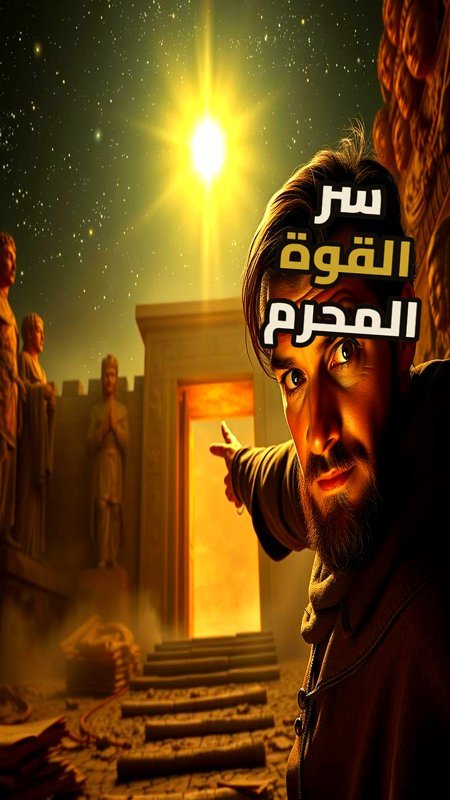
Information is Power: The Ancient Stone Gate of Tiwanaku Control
Do you truly grasp the profound concept that ‘information is power’? For millennia, this truth has shaped civilizations, often in ways more subtle and potent than any weapon. Thousands of years ago, high in the Andes Mountains, a remarkable 10-ton stone gate stood not merely as an architectural marvel, but as a sophisticated instrument of control. Its story reveals how exclusive knowledge can elevate mere mortals to god-like status and dominate entire populations.
Navigate Content
The Ancient Architects of Control: Information as Dominion
The priests of Tiwanaku understood this principle intimately. They didn’t need vast armies or brutal force to dominate their people; their power lay in a far more subtle and intellectual weapon: precise knowledge. This knowledge allowed them to predict and control the most vital aspect of their agrarian society – the timing of rainfall. This mastery over information granted them an unparalleled advantage, shaping the destiny of their civilization. The story of Tiwanaku offers a stark reminder that true power often resides not in overt displays of strength, but in the strategic possession and deployment of critical insights. For more on the dynamics of control, consider Brinkmanship: Mastering the Psychology of Toxic Threats and Control.
The Tiwanaku Stone Gate: An Astounding Lithic Computer
At the heart of the priests’ dominion was a colossal 10-ton stone gate, far more than just an entrance. This structure was, in essence, a sophisticated lithic computer, meticulously designed to calculate celestial movements with astonishing accuracy. By observing the sun, moon, and stars through specific alignments within the gate, the priests could predict astronomical events and, crucially, the seasonal patterns of rainfall. This ancient marvel of engineering allowed them to possess information that was inaccessible to the common farmer, creating a profound knowledge gap that they expertly exploited. For more on the incredible engineering of this region, explore Pumapunku: Decoding the Engineering Secrets of Ancient Tiwanaku.
From Knowledge to Divinity: The Priests’ Unchallenged Authority
Imagine the scene: a priest, standing before his people, declares the optimal time for planting. Lo and behold, rain consistently falls as predicted, nourishing the crops and ensuring a bountiful harvest. To the uninitiated, this wasn’t mere prediction; it was a divine command. The farmers, witnessing such consistent accuracy, came to believe that the priests were deities, capable of commanding the heavens themselves. This perception of divine power, born from exclusive information, allowed the priests to exert absolute control over the populace without ever needing to raise a sword. It’s a powerful example of how psychological control can be achieved through perceived omniscience, a tactic explored further in articles like The Triangular Gaze: Decoding the Secret Weapon of Psychological Control.
When the Information Fails: The Collapse of a System
The lesson from Tiwanaku is clear: he who possesses information before others holds the ultimate power. However, this power is inherently fragile. The priests’ system, built on precise celestial calculations and predictable weather patterns, was ultimately vulnerable to external forces. When climate change began to alter rainfall patterns, rendering their ancient calculations obsolete, the stone gate lost its predictive value. The priests’ ‘divine’ predictions failed, their authority crumbled, and with it, the entire system of control collapsed. This highlights a crucial vulnerability: power derived from exclusive information is only as strong as the relevance and accuracy of that information.
The Enduring Truth: Power Resides in Exclusive Knowledge
The story of the Tiwanaku priests serves as a timeless parable. It underscores that power is not intrinsically linked to weaponry, physical might, or even inherited status. Instead, it resides in what you know that others do not. Whether in ancient civilizations or modern societies, the ability to acquire, interpret, and strategically deploy unique information remains a potent force for influence and control. The rise and fall of the Tiwanaku priests reminds us to critically examine the sources of authority and to understand that even the most seemingly unshakeable power can dissipate when its informational foundations erode.
Frequently Asked Questions
Generated by AI Content Architect
About The Author