Bone Memory: Unlocking the Ancient Secrets Your Skeleton Holds About Your Ancestors

0
image_1-171


Bone Memory: Unlocking the Ancient Secrets Your Skeleton Holds About Your Ancestors
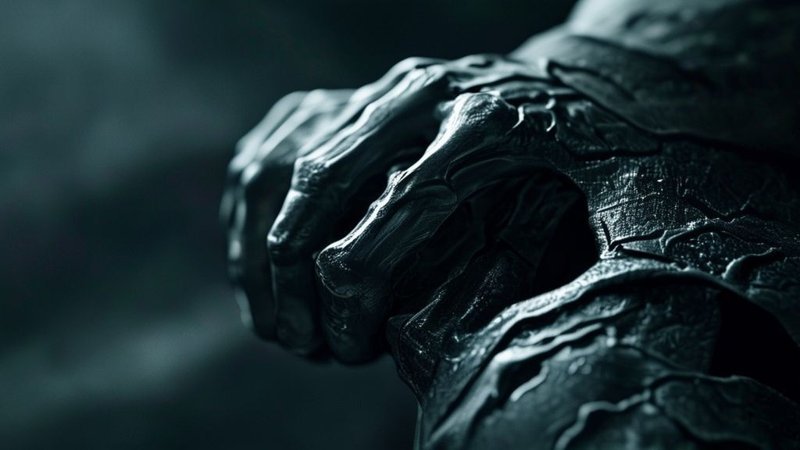
Touch your wrist now. Do you feel the hardness of that stone beneath your skin? You are not merely touching a physical support structure, but a secret archive holding the codes of your ancestors who passed away millennia ago.

Imagine that your body does not belong solely to you, but is a living history book written in the language of calcium and phosphorus. When you look in the mirror, you see your features, but you do not see the narratives hidden deep within your skeletal structure. The bones, which we assume are silent and inert, are in fact the most dynamic and intelligent parts of your body. They are the unforgettable repository and the sentinel that records every trauma, every famine, and every migration journey undertaken by your forebears. Modern science is beginning to unveil an astonishing concept known as bone memory. We are not speaking here of mental recollections, but of deep biological imprints transmitted across generations to tell us who we are and where we came from.


The Chemical Archive: How Bone Protects Genetic History

Pause for a moment and contemplate your composition. Bone is not mere solid marble; it is a pulsating tissue that breathes and changes every moment. Within this tissue reside cells called osteocytes. These cells act as constant monitors of your surrounding environment. They sense pressure and strain and respond to chemical changes in your blood. But what is truly surprising is what happens when these cells die, leaving behind the hard mineral structure. They leave a chemical signature similar to the black box in aircraft.

Scientists in molecular anthropology laboratories have discovered that bones retain molecules called covalent bonds that link DNA to minerals. This close association protects genetic information from degradation for tens of thousands of years. Your skeleton acts as an ultimate hard drive, preserving records of survival and stress, including:

  • Records of environmental contamination.
  • Dietary shifts across epochs.
  • Evidence of physical trauma and healing.

The Chemical Archive: How Bone Protects Genetic History


Mapping Ancestral Journeys through Radioisotopes

Look at your femur. It is the longest and strongest bone in your body. Within it lie records dating back to epochs before writing was even invented. When scientists study the bones of ancient humans, they are not just looking at external morphology. They are delving into the depths of radioisotopes. Did you know that the calcium atoms in your bones tell the story of the water your great-grandfather drank? Yes.

Every geographical region on Earth has a unique chemical signature in its water and soil. This signature is transferred to plants, then to animals, and ultimately settles in human bones. If one of your ancestors migrated from one continent to another, your bones hold undeniable proof of that journey. You carry within you a silent geographical map of every place your lineage has trod. For more on hidden geographical history, explore Beneath Our Feet: Hidden Oceans, Ancient Civilizations & Earth’s Unsolved Mysteries.


Epigenetic Echoes: Inheriting Famine and Fear

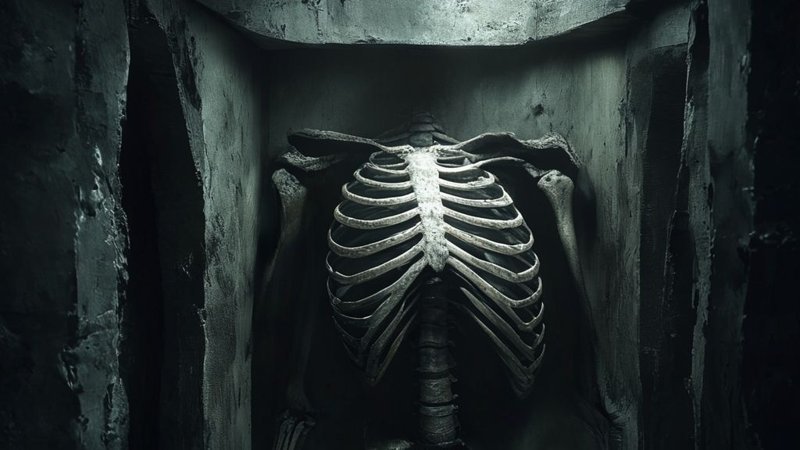
But the matter goes beyond geography. We now move to the realm of epigenetics. This science tells us that life experiences do not change the genes themselves, but rather alter the way they function. Imagine that your ancestors endured a major famine in the 19th century. That famine left a chemical mark on their DNA. This mark did not vanish with their deaths; it was transmitted to you.

Research indicates that severe environmental stresses leave markers called methyl groups on the DNA strand preserved within bone cells. These markers instruct your body on how to process food and how to respond to stress. Perhaps your predisposition to obesity or your constant sense of anxiety is merely an echo of a cry of hunger or fear uttered by your ancestor two hundred years ago.
Epigenetic Echoes: Inheriting Famine and Fear


The Petrous Bone and the Bone-Brain Connection

Let us move to the most mysterious part of your skull. There is a tiny bone called the petrous bone. It is the densest bone in the human body and is located at the base of the skull near the inner ear. This bone is the true treasure trove for geneticists. Why? Because its extremely high density makes it immune to external contamination and to bacteria that degrade soft tissues. When scientists extract DNA from this bone, they find pure information, as if the individual had died only yesterday.

Through this bone, we have been able to determine the eye color of humans who lived in the Ice Age and the types of diseases they combated. Furthermore, bones communicate with the brain via specialized hormones like osteocalcin, which influences memory and mood. Is it possible that there is a missing link between bone memory and mind memory? Some researchers propose bold hypotheses suggesting that ancestral traumas encoded in the bones may manifest in our dreams or our innate fears. Learn more about the potential of hidden biology in Junk DNA: The 98% Unknown Code That May Hide Human Superpowers.


Piezoelectricity and Recording the Modern World

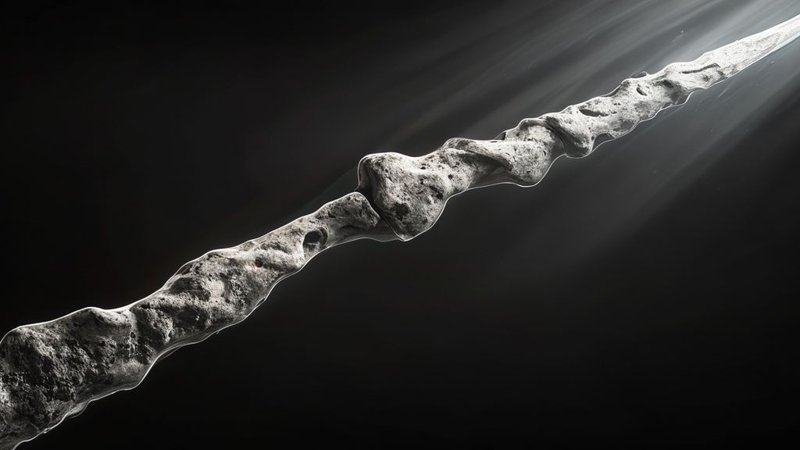
Consider the pressure your bones endure when you walk or run. This pressure generates a minute electrical current known as piezoelectricity. This current is what tells the bones where to strengthen and where to weaken. This continuous process makes your skeleton a living sculpture reflecting your lifestyle. If you spend long hours in front of a screen, the bones in your neck will begin to record this pattern for future generations.

We are now creating new bone records that humanity has never known before. Contamination with microplastics and modern chemicals is now leaving its fingerprints in the tissue of our bones. What will our bones say to future scientists a thousand years from now? Will they read in them the story of an intelligent civilization, or the story of beings who destroyed their environment? The secret lies not only in chemistry but in the architecture of the bone. Under a microscope, bones appear as a complex lattice of bridges and columns. This design is not random; it is the result of millions of years of evolution and refinement. Every tiny pore and every curve in your bones is a reaction to a challenge faced by an ancient human.
Piezoelectricity and Recording the Modern World


Frequently Asked Questions

What is ‘bone memory’ in a biological context?
Bone memory is the concept that the skeletal structure acts as a living archive, storing deep biological and chemical imprints from ancestral experiences, traumas, and geographical migrations, often preserved through long-lasting covalent bonds that link DNA to bone minerals.
How do scientists use bones to map ancestral migration?
Scientists analyze radioisotopes, specifically of elements like calcium, within the bone. Since every geographical region has a unique chemical signature in its water and soil, these atoms, consumed through diet, settle in the bone and provide undeniable chemical proof of where an individual’s lineage has lived or traveled.
Can inherited trauma be stored in bone cells?
Yes, through the mechanism of epigenetics. Severe environmental stresses, like famine, can leave chemical markers (methyl groups) on DNA strands within bone cells. These markers do not change the genes themselves but alter how they function, potentially influencing modern predispositions to conditions like anxiety or metabolic issues.
Why is the petrous bone so valuable to geneticists?
The petrous bone, located at the base of the skull, is the densest bone in the human body. Its extreme density protects the DNA stored within from external contamination and bacterial degradation, allowing scientists to extract remarkably pure genetic information from individuals who died tens of thousands of years ago.

Generated by AI Content Architect

About The Author

Leave a Reply

Your email address will not be published. Required fields are marked *