Nazca Lines Mystery: Ancient Peruvian Geoglyphs and Extraterrestrial Theories
Nazca Lines Mystery: Ancient Peruvian Geoglyphs and Extraterrestrial Theories
Navigate Content
An Engineering Marvel in the Driest Place on Earth
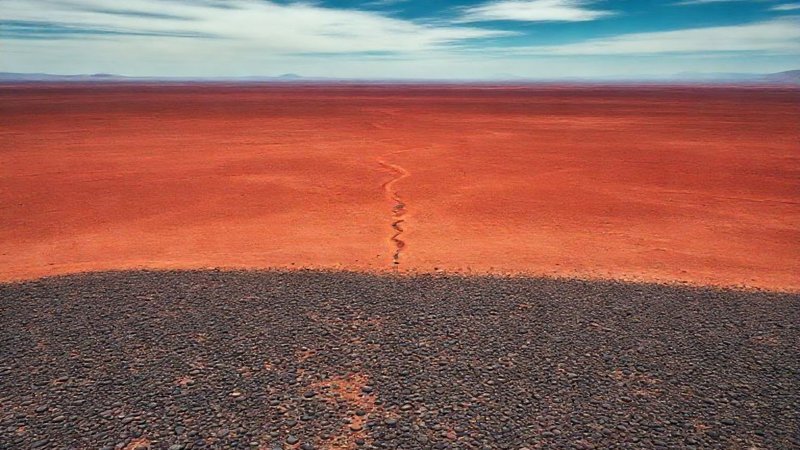
The Nazca civilization, flourishing nearly two millennia ago, executed a massive feat of earthwork in one of the planet’s driest regions. The technique appears simple: removing the dark, oxidized surface pebbles to expose the lighter subsoil. However, achieving the laser-like straightness over kilometers, as seen in some lines, without modern surveying tools presents a significant engineering challenge. They managed this precision using only basic implements like wooden stakes and ropes, suggesting a sophisticated, community-driven understanding of measurement and layout. The appearance of complex figures, such as the sixty-six-foot spider with an unusually detailed leg structure that mirrors a rare Amazonian species, only deepens the mystery of their knowledge transfer.
Maria Reiche’s Astronomical Textbook Theory
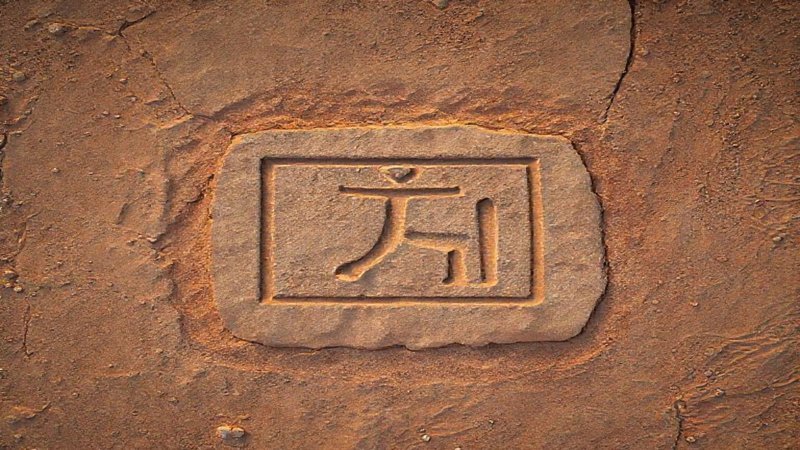
For over four decades, German mathematician Maria Reiche dedicated her life to protecting and studying the lines, convinced they held a scientific purpose. She proposed that the Nazca Lines served as a gigantic astronomical calendar. Under this theory, specific lines marked the precise rising or setting points of certain stars on key agricultural dates, essentially guiding the Nazca people on when to plant and harvest. While her dedication is legendary, later astronomical observations suggested that the Earth’s axial wobble over millennia might render older celestial alignments imprecise, leading some scholars to seek alternative explanations.
The Pragmatic Search for Water: Ritual Pathways
As life in the Nazca region was constantly threatened by thirst, a more pragmatic explanation centers on water management. Archaeologists have noted a strong correlation between many geoglyphs and underground water channels or puquios (ancient aqueducts). The drawings may not have been for beings in the sky, but rather ritual pathways. People would walk these sacred routes, engaging in communal dances and ceremonies designed to petition rain gods or appease the forces governing subterranean water flow. This interpretation aligns perfectly with the evidence of the Nazca’s mastery of hydraulic engineering, best exemplified by their still-functioning puquios.
Debunking the Extraterrestrial Landing Strip Theory
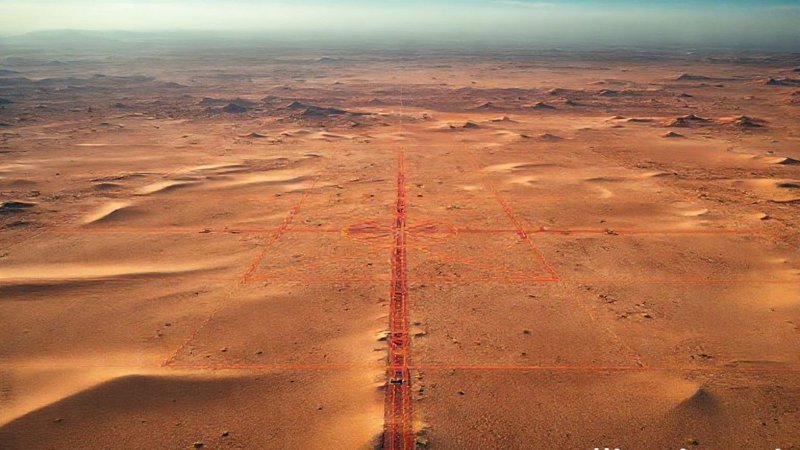
The figure often dubbed the ‘Astronaut,’ with its large eyes and seeming wave, fueled rampant speculation that the lines were runways for extraterrestrial visitors. While intriguing, modern science largely dismisses this. The theory risks stripping the ancient Nazca people of their intellectual achievements. Furthermore, practical demonstrations have confirmed that
- A small group of dedicated individuals can recreate these precise shapes using rudimentary tools.
- The figures often represent known mythological beings or shamanic elders, not alien beings.
The mystery is a purely human one, representing an immense civilizational investment across generations.
The Continuing Evolution of Discovery
The scale of the undertaking is staggering, encompassing over eight hundred lines and dozens of figures. Recent discoveries, facilitated by AI and satellite imaging, have revealed hundreds of new geoglyphs, including giant cats and figures holding agricultural tools. Each new finding deepens the complexity of the original question: Why invest such immense, visible-only-from-above effort? Perhaps the answer lies in their holistic worldview, where the Earth, sky, and water were interconnected threads in a single cosmic tapestry. The act of creation itself may have been the message, communicating with the absolute forces they believed governed their harsh existence. This effort ties into broader human struggles, much like those faced when securing resources, as detailed in articles concerning Water Wars and the need to escape scarcity, as discussed in Escape the Scarcity Trap.
Frequently Asked Questions
About The Author