Twilight Earth: Life Under a Cooler, Smaller Red Dwarf Star
Twilight Earth: Life Under a Cooler, Smaller Red Dwarf Star
Navigate Content
The Perpetual Crimson Glow and Tidal Locking
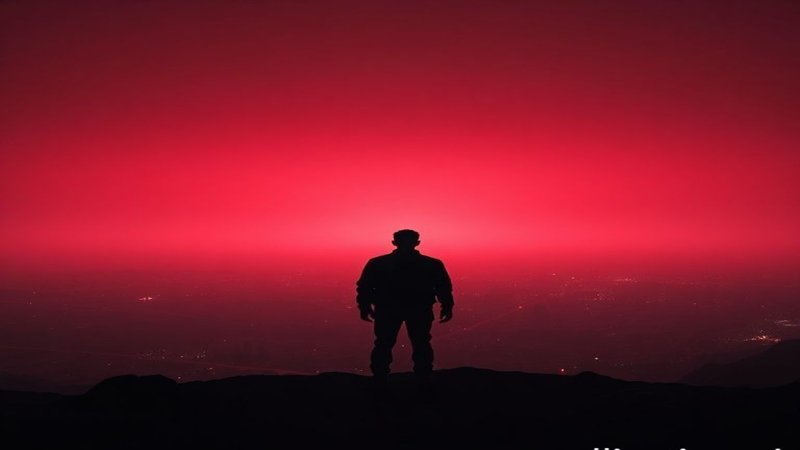
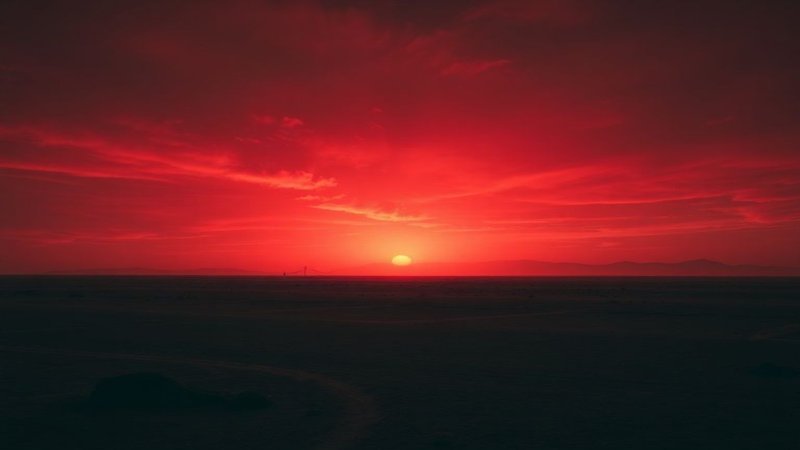
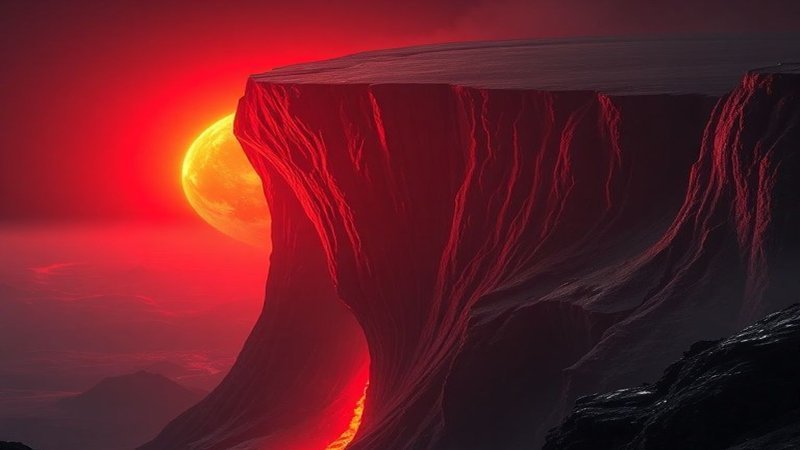
If the sun were half its current radius and significantly cooler, the light reaching Earth would shift from bright white to a dim mixture of deep red and invisible infrared radiation. To maintain liquid water, Earth would need to hug this new star closely. This proximity results in tidal locking, a phenomenon where one hemisphere faces perpetual, scorching day while the other is frozen in eternal night. Life, as we know it, would be confined to the terminator line—a narrow strip of eternal dusk where the sun perpetually hangs fixed on the horizon.
Flora and Fauna in the Dim Light
The biological imperative in this low-light environment is simple: absorb everything. Photosynthesis would be revolutionized:
- Black Forests: Plants would evolve to appear sooty black or deep purple to maximize absorption of red and infrared photons.
- Leaf Structure: Leaves would likely become excessively wide and large to catch the sparse photonic energy, leading to incredibly slow growth rates.
- Animal Senses: Eyes would evolve to be massive, similar to those of nocturnal predators, and many species might develop the ability to see in the infrared spectrum to detect the heat signatures of prey.
- Communication: With insufficient bright light for vibrant color displays, species might rely heavily on bioluminescence for signaling and mating.
Humanity’s Existence on the Terminator Line
Human civilization would be pushed to the absolute limits of habitability. The massive temperature differences between the hot and cold sides of the planet generate continuous, violent storms, with winds reaching hundreds of kilometers per hour across the habitable zone. Society would retreat:
- Architecture: Cities would need to be streamlined or built subterraneanly for protection against persistent atmospheric pressure.
- Rhythms Lost: Natural circadian rhythms would collapse; life would be governed strictly by digital calendars rather than rising and setting suns.
- Cultural Shift: There might be an increase in existential melancholy due to the lack of bright light, leading to a culture that values quietness and shadow over daylight activity.
Energy and Technology as Salvation
Conventional solar power would be ineffective. Survival would hinge on harnessing planetary forces and developing advanced shielding technology. We would rely on:
- Wind Power: Colossal turbines strategically placed in the high-wind collision zones between the hot and cold hemispheres would be primary energy generators.
- Geothermal Energy: Tapping the Earth’s internal heat would be crucial for warmth and basic electricity generation within protected cities.
- Synthetic Agriculture: Food production would move indoors, requiring massive, enclosed greenhouses lit by powerful LED arrays programmed to mimic the spectral needs of lost terrestrial crops.
Furthermore, protection from the star’s natural volatility is essential. Red dwarfs frequently emit lethal flares; therefore, robust technological shielding is the only thing preventing atmospheric stripping or surface sterilization, a danger more immediate than issues discussed in articles concerning volcanic sustainment.
Frequently Asked Questions
About The Author