
Tower of London Ravens: Legend, Prophecy, and the Fate of the British Kingdom
Tower of London Ravens: Legend, Prophecy, and the Fate of the British Kingdom
Navigate Content
The Prophecy Etched in Stone
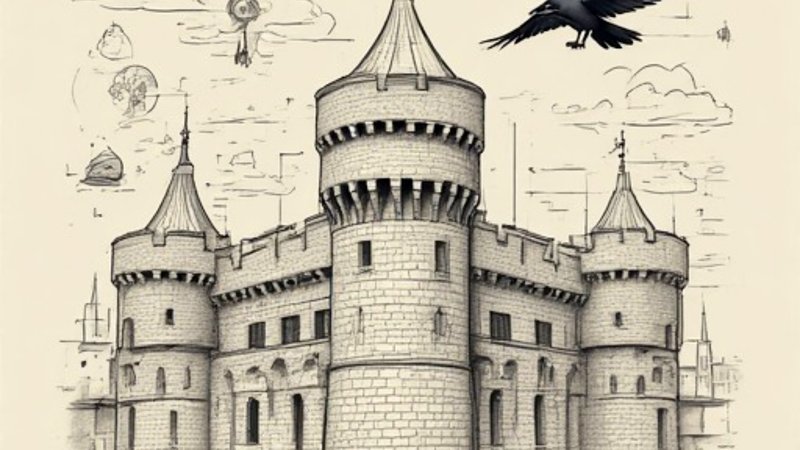
Within the ancient walls of the Tower of London, a colony of ravens (*Corvus corax*) are not just inhabitants but legendary guardians. This tradition dates back at least to the reign of King Charles II, who allegedly decreed that no fewer than six ravens must remain on site, lest dire consequences befall the realm. The belief suggests a direct correlation between their presence and the stability of the monarchy. This historical mandate transforms these birds from simple wildlife into vital custodians of national continuity.
Intelligence Versus Imprisonment: The Raven’s Instinct
These birds are undeniably brilliant, demonstrating problem-solving skills and intelligence admired by modern scientists. However, their existence at the Tower forces a conflict with their inherent nature. The wild raven yearns for open skies, yet here they are, confined by historical boundaries. Animal behaviorists note that despite wing-clipping to prevent their escape, they exhibit strong territorial behavior, suggesting their instincts remain potent. This raises profound questions:
- Can continuous human care fundamentally alter the essence of instinct?
- Does this careful management foster dependency or merely preserve a fragment of their wild spirit?
The Role of the Ravenmaster: Care and Control
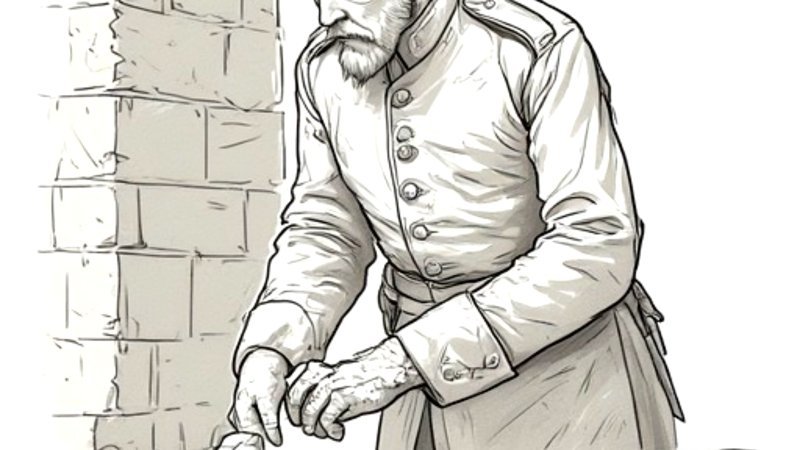
The responsibility for these symbols of stability falls to the Ravenmaster, a dedicated Yeoman Warder. This role involves a daily ritual of feeding, diet regulation, and providing safe refuge. This relationship is a fascinating study in controlled nature. Is the Ravenmaster transforming wild creatures into pets, or are they simply ensuring the prophecy remains fulfilled? This delicate balance between providing security (food, protection) and restricting liberty (wing clipping) challenges our understanding of animal welfare versus sacred duty.
Symbolism Transcending Logic
The significance of the ravens extends far beyond ornithology. Historical castles symbolize steadfastness, and the ravens imbue the Tower with an extra layer of mystique. They are living embodiments of the past, linking untamed nature with human will. The stability the British people feel is rooted in this narrative. If the ravens were to vanish, the feeling would be more profound than simple sadness—it would feel like losing a piece of the national soul. This connection to heritage is something that ancient engineering marvels, like like the Ma’rib Dam, also provided to their respective civilizations.
Frequently Asked Questions
About The Author