The Truth Behind Tutankhamun’s Curse: Myth vs. Reality
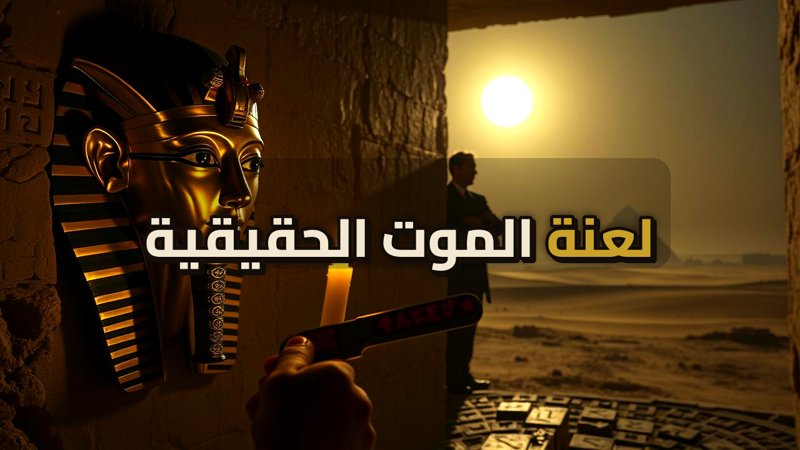
The Truth Behind Tutankhamun’s Curse: Myth vs. Reality
In November 1922, Howard Carter and Lord Carnarvon unveiled the tomb of Tutankhamun, sparking a global sensation. While the discovery was a triumph of archaeology, it soon became shrouded in a dark, supernatural legend. This article peels back the layers of sensationalism to reveal how a simple mosquito bite and a media power struggle birthed one of history’s most enduring myths.
Navigate Content
The Catalyst: A Bite and a Blackout
The legend began with the death of Lord Carnarvon, who succumbed to blood poisoning following an infected mosquito bite. His death coincided with a power outage in Cairo, a common occurrence in the city’s early electrical grid. This eerie synchronization, however, provided the perfect fuel for a public hungry for mystery. For more on how historical events are often misconstrued, see The Science of False Memories.
Manufacturing a Curse: Media and Power
The ‘curse’ was largely a product of commercial frustration. Lord Carnarvon signed an exclusive deal with The Times, leaving other journalists in the dark. To fill their pages, rival reporters, including Arthur Weigall, fabricated prophecies. Even Arthur Conan Doyle contributed to the hysteria by promoting spiritualist claims. This manipulation of public perception is a recurring theme in history, much like the tactics discussed in Robbers Cave: The Secret of Manufacturing a Common Enemy.
The Cold Language of Numbers
When we look at the data, the myth of the curse crumbles. Consider these facts regarding the individuals who entered the tomb:
- Howard Carter: The lead archaeologist lived for 17 years after the discovery, dying of natural causes at 64.
- Lady Evelyn: She was among the first to enter the tomb and lived a full life until the age of 79.
- Statistical Reality: Of the 26 people present at the opening, the vast majority lived long, healthy lives, contradicting the idea of a supernatural death trap.
The Eternal Quest for Secrets
The story of Tutankhamun’s curse serves as a reminder of how easily human imagination can override documented evidence. While the tomb itself remains a marvel of ancient history, the ‘curse’ is merely a testament to the power of the press and the human fascination with the unknown. To explore more ancient mysteries, visit The Eternal Struggle of the Pharaohs.
Frequently Asked Questions
Generated by AI Content Architect
About The Author