The True Mystery of Atlantis: The Minoan Empire Vanished After the Thera Eruption
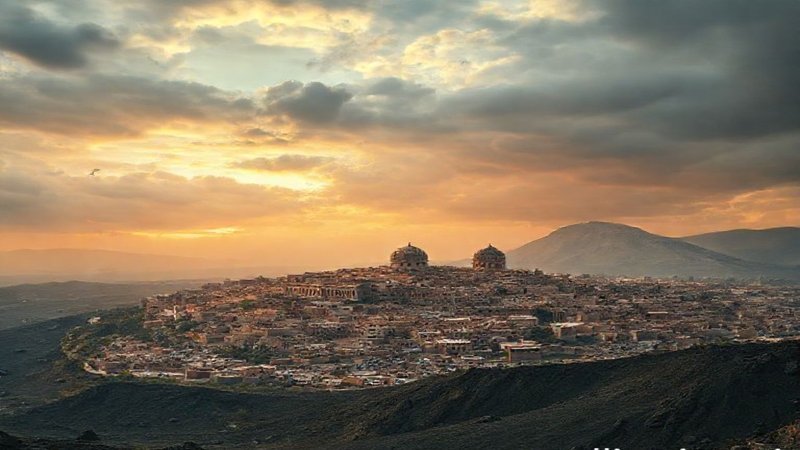
The True Mystery of Atlantis: The Minoan Empire Vanished After the Thera Eruption
Imagine a world where the boundary between myth and reality dissolves, where golden palaces sink beneath volcanic ash centuries before Greek philosophy was born. You now stand before the greatest enigma in Mediterranean history, where Europe’s first maritime empire embarked on its journey to glory four millennia ago. The Minoans, who built an advanced civilization without defensive walls, were wiped from dominance in a single, cataclysmic day, leaving behind only glorious ruins and an unsolved linguistic puzzle.
Navigate Content
The Thalassocracy: An Empire Built on Water and Trade
Approximately 4,500 years ago, the Minoan civilization emerged on Crete, positioned perfectly to control ancient trade routes. Their power, known as a Thalassocracy, was based entirely on naval might and commerce, making walls obsolete.
- Economic Power: They traded olive oil, wine, and pottery for Egyptian gold and Cypriot copper.
- Cultural Influence: They were known to the Egyptians as the Keftiu, demonstrating significant cultural reach.
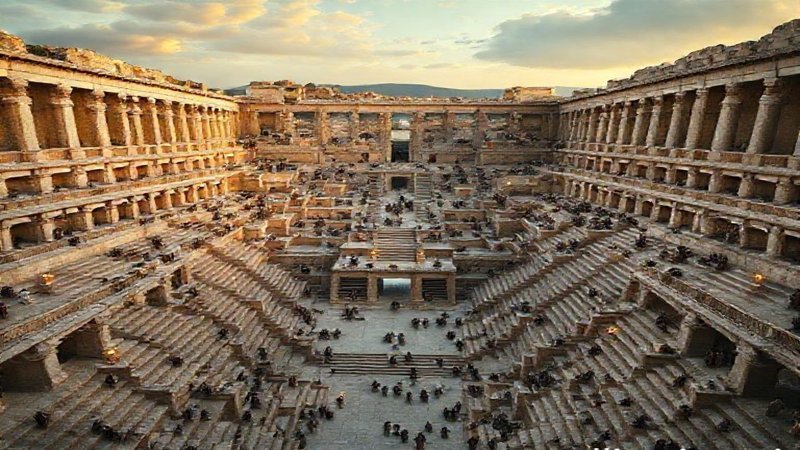
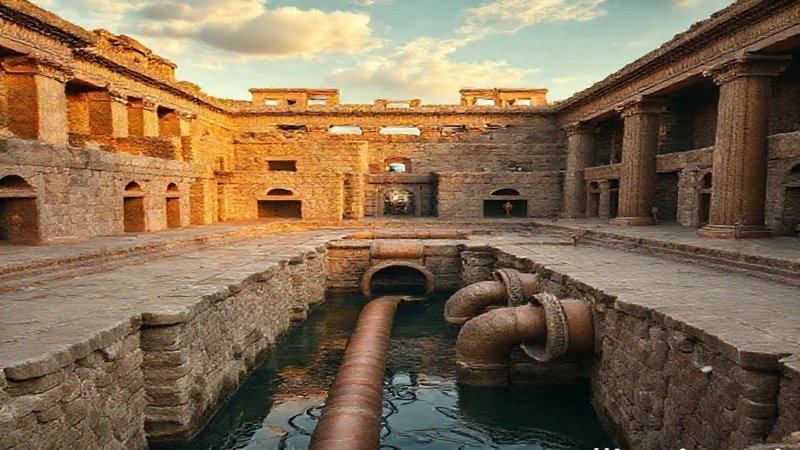
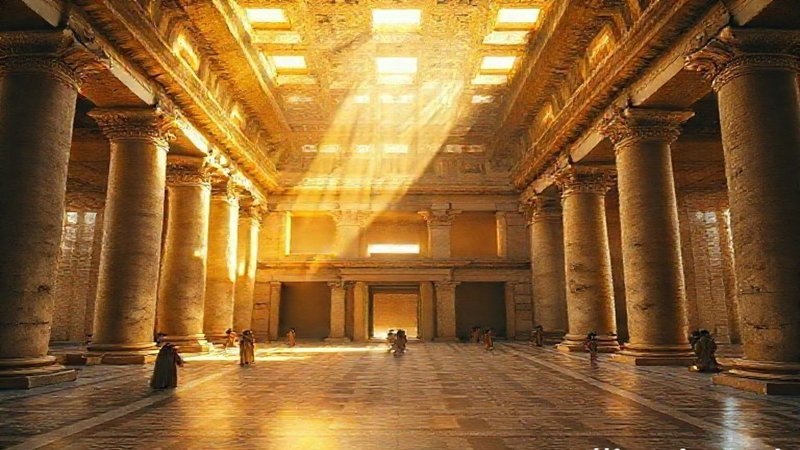
- Architectural Marvels: The Palace of Knossos was a sprawling labyrinthine structure featuring advanced sewage and light-well systems centuries ahead of its time.
Their prosperity was unmatched until nature struck.
A Society of Beauty, Balance, and Female Power
Minoan society was notable for its relative gender equality and focus on artistry over warfare. Unlike their neighbors, Minoan women held prominent roles in religious and social life.
- Female Deities: Major religious figures, like the Snake Goddess, emphasized female power.
- Unique Sports: Their most famous ritual involved the breathtaking, sacred dance of bull-leaping, demonstrating courage and agility.
- Peaceful Existence: The absence of fortifications suggests a society confident in its naval defense and internal peace.
The Unsolved Enigma: Linear A
Despite their material achievements, the Minoans left behind a barrier to understanding their inner world: their written language, Linear A. While their successors, the Mycenaeans, used Linear B (which was deciphered), Linear A remains stubbornly unreadable. This silence denies us access to their poetry, true myths, and administrative secrets.
This linguistic mystery forces us to view them as ‘beautiful ghosts in human history’—we see their art but cannot hear their voices.
This loss of knowledge makes one wonder what advanced concepts might have been buried with the civilization, perhaps concepts similar to those found in modern-day searches for lost knowledge, such as The Forbidden Science.
The Cataclysm: The Eruption of Thera
The golden age ended abruptly around 1600 BCE with the massive eruption of the nearby island of Thera (modern Santorini). This event was one of the largest volcanic explosions in human history, triggering immediate, devastating consequences for Crete.
- Tsunami Impact: Gigantic tsunamis, estimated at 50 meters high, smashed Minoan harbors and fleets.
- Ash Fall: Widespread ash coverage destroyed agricultural land, leading to famine and economic collapse.
- Loss of Faith: The natural disaster severely weakened the people’s faith in their rulers, creating internal vulnerability.
The Inheritors: From Minoans to Mycenaeans
The weakening of Minoan sea power, triggered by the volcanic disaster, created a power vacuum. The warlike Mycenaeans from mainland Greece seized this opportunity. They invaded the ruined centers, not just as conquerors but as inheritors, adopting and adapting Minoan culture while imposing their own language, Linear B, on the island. This transition marks the effective, though gradual, end of the Minoan epoch, often comparing to other civilizational collapses like The Enigma of the Sea Peoples.
Frequently Asked Questions
Generated by AI Content Architect
About The Author