The Illusion of Choice: How Retailers Manipulate Your Purchasing Decisions
The Illusion of Choice: How Retailers Manipulate Your Purchasing Decisions
Navigate Content
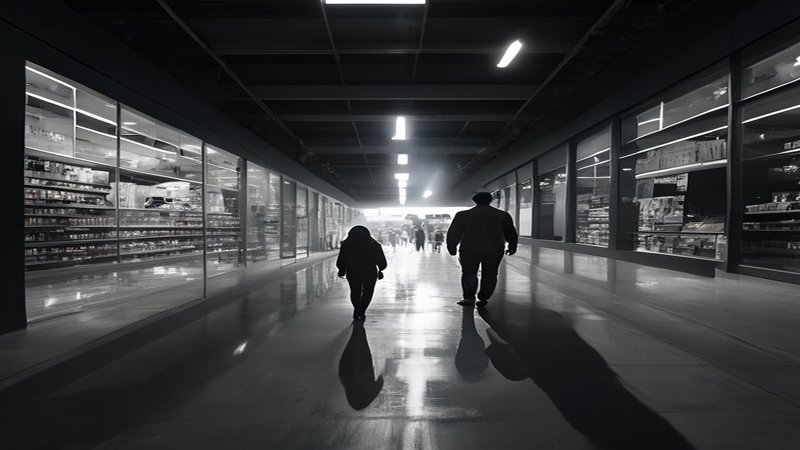
The Retail Environment: A Masterclass in Psychological Engineering
- Gait analysis
- Peripheral vision patterns
- Pupillary dilation in response to specific light frequencies
The aim is not to engage rational cognition, but rather to stimulate primal, instinctual responses – the inherent susceptibility to sensory stimuli like visual allure and olfactory cues, which bypass conscious price evaluation by the prefrontal cortex. This intricate setup can be seen as a form of psychological engineering, meticulously designed to influence every decision.

The Decompression Zone: Preparing for Influence
Choreographing Movement: Layout, Flooring, and Time Distortion
Examine the flooring materials. Variations in tile size are frequently employed; smaller tiles are typically found in aisles intended for prolonged consumer engagement. The increased frequency of cart wheel clicks on these smaller surfaces creates a perceptual illusion of greater velocity, prompting consumers to instinctively reduce their pace. This deliberate slowing leads to increased exposure to merchandise and, commensurately, heightened desire. Conversely, main thoroughfares feature larger, smoother tiles, designed to expedite transit to subsequent engagement points. Once immersed in a specific retail area, the objective is to suspend temporal awareness. This is achieved through the absence of visible clocks and the obstruction of external views, creating a perpetual consumption environment where temporal cues are absent, fostering an immediate purchasing imperative. These tactics are part of the dark psychology at play.

Sensory Overload: The Power of Scent and Sound
Furthermore, the auditory environment is carefully curated. Music is maintained at a subdued volume and a deliberately slow tempo. Rhythmic music, characterized by a tempo below the average resting heart rate, is the preferred standard. This instills a sense of calm and temporal abundance. Research indicates a significant increase in retail sales, often around thirty-eight percent, attributable to prolonged consumer dwell time and increased tactile interaction with products, both of which correlate positively with purchase probability. This phenomenon is known as the endowment effect. The act of physically handling a product initiates a psychological sense of ownership. Despite the absence of a financial transaction, an emotional proprietary connection is established, making its return to the shelf perceived as a loss. This leverages the inherent human aversion to loss, which typically outweighs the desire for gain.
Pricing Psychology and the Illusion of Value

Frequently Asked Questions
About The Author