The Dark Secret: Why Your Hatred of Others is Actually Self-Hatred
The person you feel an overwhelming urge to crush is not your enemy, as you perceive. In truth, they are the version of yourself you fear becoming, the face you conceal behind a facade of manufactured virtue. You do not hate them; rather, you hate the truth they force you to confront within your own dark depths.
The Mirror of Projection: Confronting Hidden Truths
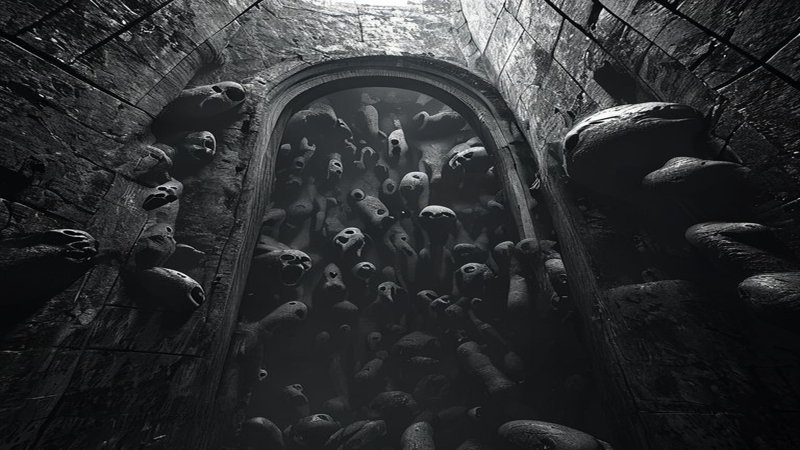
Pause for a moment. Consider the individual whose mere presence in a room evokes your revulsion. Perhaps you despise their arrogant pride, their nauseating flattery, or their incessant deceit. Your chest tightens. Your heart races. Your voice involuntarily rises when you speak of them. You believe this hatred stems from your superior morality and an innate aversion to vice. Yet, the truth is far more terrifying. This person is merely an inverted mirror placed before your soul, guiding you to the dark cellar where you have imprisoned your worst traits. In psychology, this concept is termed “projection.” It is a primal defense mechanism employed by your subconscious mind to shield you from confronting your own personal ugliness. When you identify a trait within yourself that you cannot accept or that contradicts the idealized self-image you’ve constructed, your mind denies this trait in yourself and attributes it to others. You discharge your inner toxins into an external vessel, seeking a false sense of purity.
Carl Jung’s Shadow: The Unseen Self
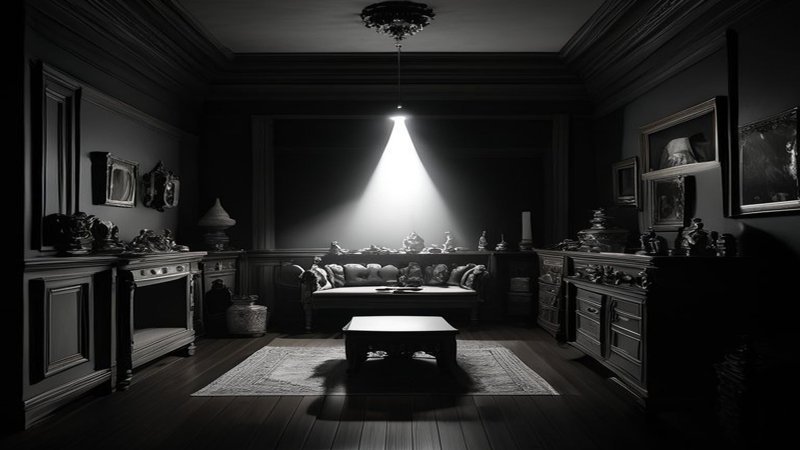
Envision your mind as a vast house with illuminated rooms and others completely dark. The lit rooms represent what you present to the world: your generosity, kindness, and diligence. The dark rooms are the cellar where you’ve cast everything you were told was ‘bad’ since childhood. There reside your lust for power, your avarice, your malice, and even your cowardice. The psychologist Carl Jung named this realm the ‘Shadow‘. The Shadow is everything you refuse to be, yet it is an inseparable part of your being. The problem begins when this cellar overflows, and the walls can no longer contain the specters within. At that moment, your mind starts searching for a victim. It seeks someone who overtly embodies one of these traits confined in your cellar. Once found, a volcano of your rage erupts. You attack them fiercely, not because they are inherently bad, but because their audacity to display what you conceal triggers your inner terror.
Body Language and the Anesthetic of Hate
Let us consider your body language when you encounter this person. Your eyelids narrow. The corners of your mouth descend in a classic expression of disdain. Your body stiffens, as if poised for a physical confrontation. This is not merely a reaction to annoying behavior. It is a cry for help from your ego. You attempt to divert attention from your inner decay by shining a dazzling spotlight on the flaws of others. The person who constantly rails against corruption and nepotism may harbor within them a beast hungry for nepotism, yet hasn’t found the opportunity. And the individual who vehemently criticizes the liberation of others might be wrestling with repressed desires that consume them nightly beneath the cloak of virtue. Here, hatred serves as an anesthetic. It is a local anesthetic that prevents you from feeling the pain of truth.
The Precise Mirror: Unmasking Your Deepest Fears
The inverted mirror operates with extreme precision. If you despise the showy person who loves to draw attention, ask yourself when was the last time you felt ignored and longed for everyone to see you. If you loathe the person who counts every penny and spends with extreme stinginess, perhaps you fear poverty to such an extent that it makes you a slave to money in your secret thoughts. The rule states that anything that provokes an exaggerated emotional reaction in you is a thread leading to your Shadow. Attack is the best defense. This is how fear programs us. We attack in others what we fear discovering in ourselves. This is why some people dedicate their lives to fighting a particular idea or group. They are not fighting an external enemy; they are trying to kill the demon residing in their own mirror.
The Dopamine Trap: Manipulation and Addiction to Criticism
Let’s move to a deeper level of analysis. Why do some feel comfort in engaging in this hatred? The answer lies in dopamine. When you criticize someone and place them in a morally or behaviorally inferior position to yourself, your brain releases chemicals that give you a temporary sense of superiority and satisfaction. You elevate your self-worth by diminishing another. But this satisfaction is a deadly trap, because it constantly requires you to seek a new enemy to maintain that feeling of purity. You become addicted to finding flaws in others to escape the internal repair shop awaiting you. This process consumes an enormous amount of mental energy. Imagine the effort you expend monitoring one person’s actions, refuting another’s lies, and chasing yet another’s missteps. All this energy could have transformed you into a self-reconciled individual if directed inwards.
In the realm of psychological manipulation, professionals exploit this vulnerability to control you. Hypnotists and manipulators know that the quickest way to identify your weaknesses is to observe whom you hate. If a manipulator knows you despise weakness, they will display their false strength to attract you. And if they know you abhor betrayal, they will play the role of the loyal victim to earn your trust. Your hatred for others is a treasure map for anyone seeking to penetrate your psychological defenses. You completely expose yourself when you speak ill of certain traits in people. You are clearly telling the world: “Here is my dark cellar, and here are the monsters I fear.”
Historical Echoes of Collective Projection
Reflect on history for a moment. You will find that the most horrific human crimes were committed under the guise of purifying society from vicious traits that the perpetrators themselves practiced in secret. Leaders who built their glory on the hatred of a specific group often suffered from the very traits they stigmatized in their victims. It is a vicious cycle of collective projection. Society hates in minorities what it refuses to confront within its dominant traits.
Frequently Asked Questions
What is psychological projection?
Psychological projection is a primal defense mechanism where your subconscious mind denies a trait you cannot accept within yourself and attributes it to others. It’s a way to avoid confronting your own perceived flaws by ‘discharging inner toxins into an external vessel.’
What is Carl Jung’s concept of the ‘Shadow’?
The ‘Shadow’ is a psychological concept introduced by Carl Jung, representing all the traits, desires, and aspects of yourself that you have suppressed or deemed ‘bad’ since childhood. It’s an inseparable part of your being that you refuse to acknowledge or integrate into your conscious self.
How does hatred of others relate to self-hatred?
Often, the intense hatred you feel for another person is not directed at them, but rather at the reflection of your own hidden fears and suppressed traits (your ‘Shadow’) that they embody. You hate the truth they force you to confront about yourself.
Why do people feel satisfaction when criticizing others?
Criticizing others and placing them in an inferior position triggers the release of dopamine in the brain, providing a temporary sense of superiority and satisfaction. This can become a ‘deadly trap,’ leading to an addiction to finding flaws in others to maintain that feeling.
How do manipulators exploit a person’s hatred?
Manipulators use your hatred as a ‘treasure map’ to identify your weaknesses. By observing what traits you despise in others, they learn what you fear and can then strategically display false strengths or play specific roles to attract you, gain your trust, and penetrate your psychological defenses.