The Curse of the Ninth: Why Musical Geniuses Feared the Number Nine
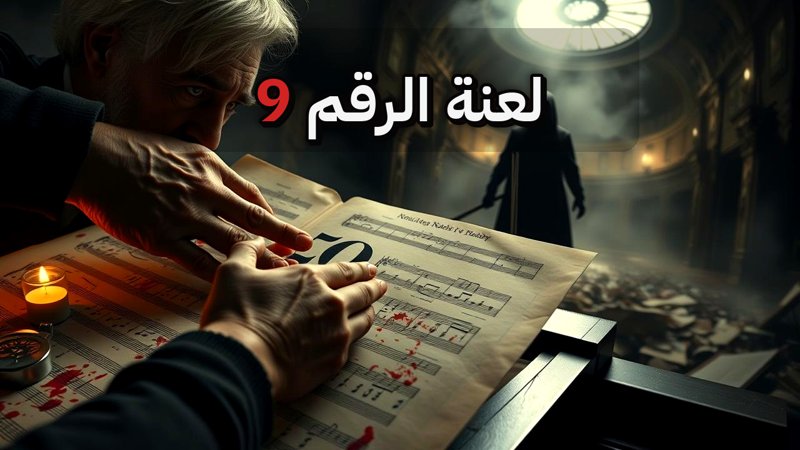
The Curse of the Ninth: Why Musical Geniuses Feared the Number Nine
For centuries, the world of classical music has been haunted by a peculiar and persistent superstition: the Curse of the Ninth. From Beethoven to Mahler, some of history’s greatest composers were gripped by the fear that reaching their ninth symphony would be their final act on earth. This article explores the origins of this dread and the desperate attempts by musical geniuses to outsmart destiny.
Navigate Content
The Beethoven Legacy
The legend began with Ludwig van Beethoven. After the monumental success of his Ninth Symphony, which introduced human voices to the symphonic form, the musical world viewed it as a ‘summation’ of human achievement. Beethoven died while drafting his Tenth, leaving behind a legacy that felt like a closed door. For those who followed, the number nine became a psychological ceiling, a threshold that seemed to signal the end of a composer’s mission.
A Pattern of Premature Ends
The fear was not merely anecdotal; it appeared to manifest in the lives of several masters:
- Franz Schubert: Died at 31, shortly after completing his Ninth Symphony, ‘The Great.’
- Antonín Dvořák: Passed away suddenly after the global success of his Ninth, ‘From the New World.’
- Anton Bruckner: Lived in constant terror of the number nine, dying while his Ninth Symphony remained unfinished.
Mahler’s Attempt to Cheat Fate
Gustav Mahler was perhaps the most obsessed with this curse. He studied the history of his predecessors with intense anxiety, convinced that the number nine was a death sentence. In a clever attempt to bypass the ‘curse,’ he composed a massive work but refused to label it his Ninth. Instead, he titled it Das Lied von der Erde (The Song of the Earth), hoping that by avoiding the number, he could continue his creative life. For more on how historical patterns and psychological phenomena shape our reality, see The Science of False Memories.
The Psychological Weight of Genius
Whether the curse is a supernatural phenomenon or a manifestation of extreme performance anxiety, it highlights the immense pressure placed upon artists. The belief that one has reached the ‘limit’ of human potential can be a self-fulfilling prophecy. This intersection of art, obsession, and mortality remains one of the most fascinating chapters in music history. To understand how external pressures influence human behavior, read about the secret of manufacturing a common enemy.
Frequently Asked Questions
Generated by AI Content Architect
About The Author