The Barbarian Art That Dazzled Rome: Unlocking Celtic Civilization
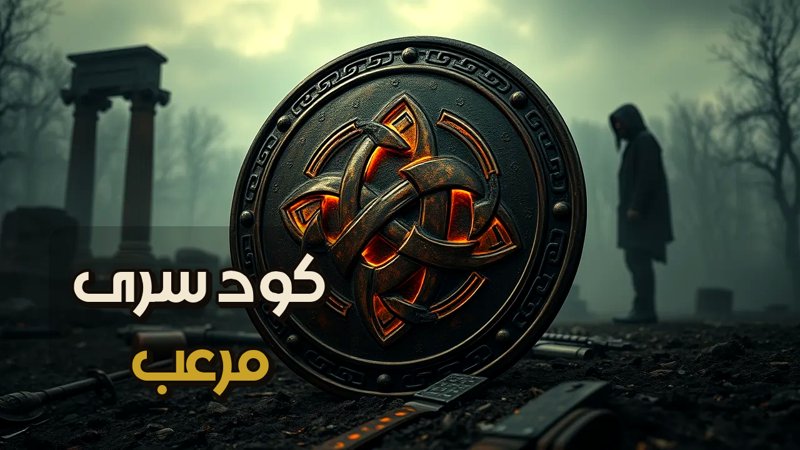
The Barbarian Art That Dazzled Rome: Unlocking Celtic Civilization
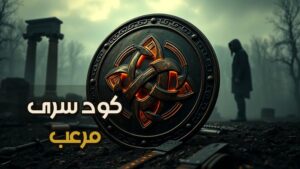
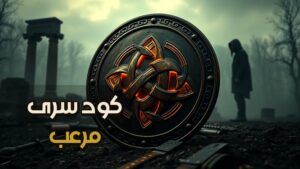
Take a close look at the famous Celtic knot. At first glance, you might think it is merely an intricate decoration on a sword or a gravestone, but in reality, we are looking at a meticulously crafted visual language that requires careful attention to decipher.
Navigate Content
The Philosophy of the Endless Line
To the Celts, a straight line was a “lie.” They believed that nature has no ruler, and no clear beginning or end; therefore, their art was a mirror of the universe as they understood it: interlocking circles and threads wrapping around one another in an endless motion. Much like The Weapon of Imagery: How Ancient Monarchs Used Art for Control, Celtic visual culture served as a profound statement of worldview and philosophy.
Horror Vacui and Interconnectedness
Celtic artists experienced a condition we call horror vacui—the fear of empty space. They could not bear to see a single centimeter left blank without filling it with details: monsters transforming into birds, and human limbs turning into metallic braids. This was not merely manual dexterity; it was a philosophy asserting that everything in existence is interconnected.
The Scientific Mind of the Celtic Blacksmith
The La Tène style, which emerged during the Iron Age, was not just art; it was a technological “laboratory.” The Celtic blacksmith was a chemist and an engineer, deeply understanding how to manipulate metals to produce microscopic details that are hard to believe were handcrafted. Key elements included:
- Mastery over bronze, gold, and glass combinations.
- The use of compasses and complex mathematical calculations.
- Creation of mobile art pieces such as the iconic Battersea Shield.
The Triskelion and the Cycle of Existence
The Celtic mindset leaned heavily toward the number three, which we see clearly in the triskelion symbol. While the number two was viewed as static, the triskelion features three curved lines originating from a single center, expressing the cycle of existence: birth, life, death, and rebirth.
Frequently Asked Questions
Generated by AI Content Architect
About The Author