
Sky Iron Daggers: The Unforged Metal of Tibetan Thokcha Meteorites

Sky Iron Daggers: The Unforged Metal of Tibetan Thokcha Meteorites
Navigate Content
The Gift From the Void: Defining Thokcha
The Tibetans did not see fallen rocks as mere space debris; they were ‘celestial messages.’ This reverence elevated objects like meteorites from geological specimens to sacred artifacts. The term Thokcha encapsulates a belief system where the sky delivered unparalleled power directly into human hands. These gifts became the source material for potent amulets and ceremonial daggers, imbued with protective qualities against the unseen void.
- Celestial Origin: The metal was believed to originate from the chaos preceding solar system formation.
- Divine Imbuement: Ancient Tibetans sanctified this ‘frozen fire,’ believing it carried the spirit of the stars.
- Sacred Craftsmanship: This unique iron was then meticulously shaped into tools and symbols of sovereignty.
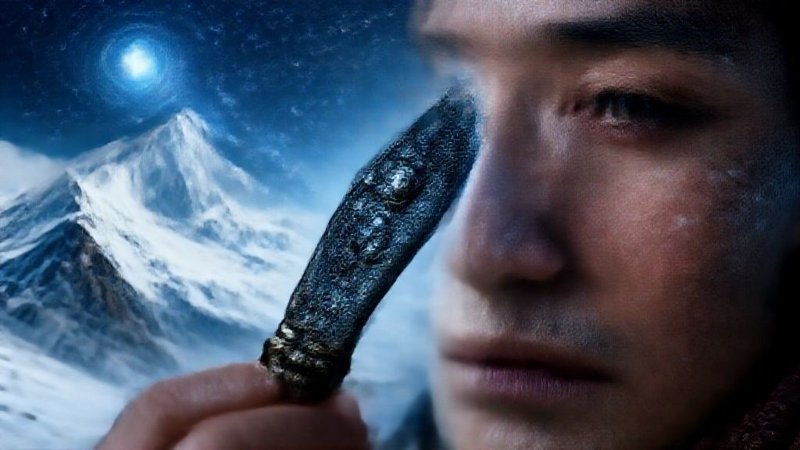
The Signature of Eternity: Widmanstätten Patterns
What truly distinguished Sky Iron from any earthly ore was its microscopic structure. The raw material originated as an alloy of iron and nickel, forged in the ancient furnaces of stars. After shattering in cosmic collisions between Mars and Jupiter, these fragments drifted for eons. This slow, eternal cooling—at a rate of roughly one degree Celsius per million years—etched the unmistakable Widmanstätten pattern into the metal’s core. This geometric signature of intergrown nickel-iron crystals is impossible for human technology to replicate, proving its extraterrestrial heritage.
A Sanctuary at Altitude: Why Tibet Preserved the Sky Iron
The choice of landing site was critical for the preservation of these cosmic relics. The Tibetan plateau, the ‘Rooftop of the World,’ offered a perfect environment. Imagine a searing fireball tearing through the atmosphere only to rest in an area characterized by:
- Extreme Aridity: Low humidity drastically slowed the corrosive effects of rust.
- Intense Cold: The biting, dry cold acted as a natural preservative.
This unique climate ensured that daggers crafted thousands of years ago remain remarkably pristine, baffling modern researchers whose scientific analysis confirms their age and composition. If you are interested in other seemingly impossible feats of preservation and ancient knowledge, consider how the ancients might have manipulated their environments, perhaps learning secrets like Mastering the Cold.

Science Meets Superstition: The Bond of Meaning
The central enigma is not just the chemical makeup, but the human decision to attribute sacred meaning to a specific type of rock. Scientists today decode isotope ratios; ancients perceived a ‘spirit.’ The prestige of a Thokcha dagger rested in this bond: humanity literally ‘grasping the sky’ and harnessing cosmic matter for ritual and security. This transformation of stellar material into a cultural cornerstone highlights a profound interface where early metallurgy met cosmic awe. This interaction, where science and superstition dissolved, often led to remarkable, though often misunderstood, accomplishments, similar to the enigma surrounding Delhi Iron Pillar: 1600 Years Rust-Free.
Frequently Asked Questions
About The Author