Silphium: The Lost Ancient Plant More Valuable Than Gold That Nero Consumed
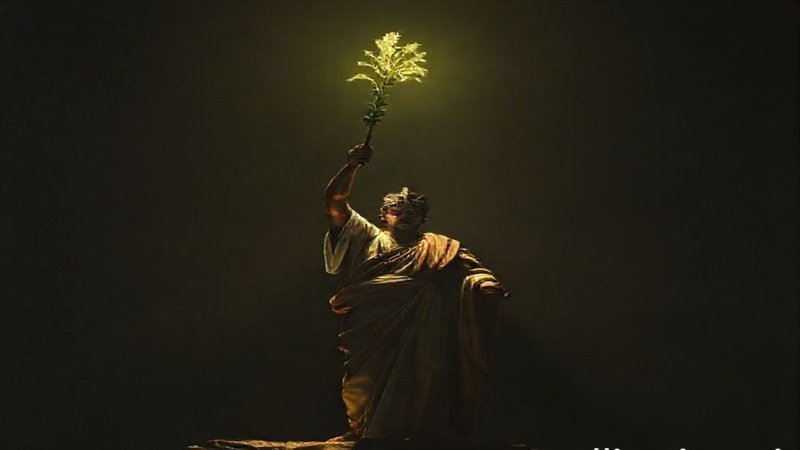
Silphium: The Lost Ancient Plant More Valuable Than Gold That Nero Consumed
Navigate Content
The Rebellious Treasure of Cyrenaica
The Greeks who settled the city of Cyrene discovered that this plant was not mere foliage but a divine treasure. Crucially, it grew only in a narrow 200-kilometer strip of land. Attempts by the Romans to transport its seeds to Italy and Greece failed; it was a “rebellious” plant that accepted life only in Cyrenaica’s unique soil and specific climate. This uncompromising nature made it an extremely rare commodity.
Silphium became the primary engine of the North African economy. Cyrene stamped the image of the plant onto its gold and silver coinage—not merely a symbol, but a declaration of power. To possess Silphium was to possess the world. For more on ancient empires and valuable resources, see Aksum: The Forgotten African Empire That Rivaled Rome and Persia.
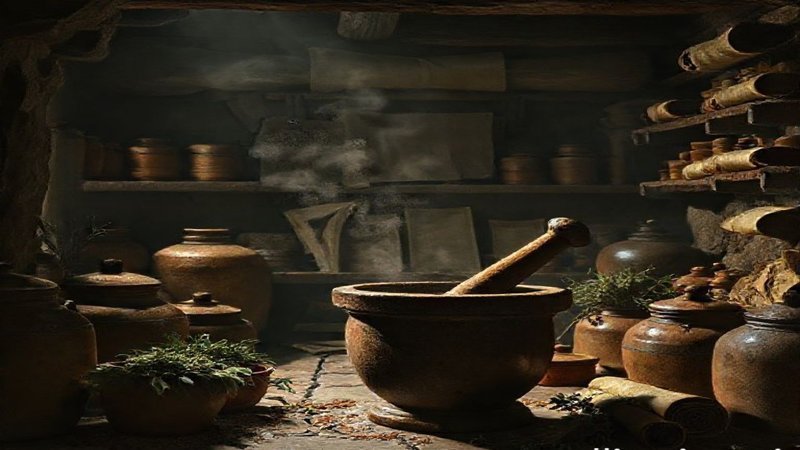
Medicine, Spice, and the Heart’s Origin
- Medicinal Cure-All: Ancient physicians utilized the herb to treat almost everything, from coughs and colds to sore throats. It also served as an antidote to poisons and an ointment for wounds.
- Contraceptive Ability: Its most astonishing use was its remarkable contraceptive ability, making it a pivotal element of population management in the Roman world.
- Symbol of Love: Some historians suggest that the iconic heart shape we use today in romantic messages is derived from the original shape of the Silphium seed, making the plant a symbol of love, desire, and population control.
- The Supreme Spice: In Roman kitchens, Silphium was the supreme spice. Chefs grated its roots over gourmet meats to impart an unforgettable flavor.
Julius Caesar was keenly aware of this treasure’s value. When he seized the Roman treasury, he found a massive reserve of Silphium stored alongside the gold, weighed using precise gold scales and guarded securely in official boxes.
The Folly of Avarice: Road to Extinction
- Overgrazing: Humans were not the only ones infatuated; sheep and goats stampeded toward it madly. Shepherds allowed their herds to graze uncontrolled in these narrow zones, decimating the roots before the plant could produce new seeds.
- Destructive Harvesting: The issue was compounded by the exorbitant taxes imposed by the Romans, leading locals to harvest and sell the roots quickly on the black market. Harvesting methods became random and destructive.
- Ignored Warnings: Scientists and philosophers, such as Pliny the Elder, warned that this treasure was on the path to extinction, but their cries were drowned out by the noise of gold and the shouts of the greedy.

Nero Consumes the Final Stalk
Silphium completely vanished. Explorers searched for centuries in the mountains and valleys of Libya, examining every stone and green herb without success. Silphium transformed from tangible reality into a legend preserved only in history books. This story stands as the foundational lesson in environmental extinction—a stark reminder that resources, no matter how great or seemingly enduring, can vanish instantly when avarice prevails. This economic concept of resource scarcity mirrors discussions around Water Wars: Why ‘Blue Gold’ is More Valuable Than Oil.
The Glimmer of Hope and the Lasting Lesson
The vital question remains: Have we learned the lesson? Will we safeguard it this time, or repeat the historical error? Our relationship with nature is existential, not merely consumeristic. Silphium was not just a plant; it was a test of humanity’s ethics, a test we emphatically failed. The true power lies not in possession, but in sustainability. Be the guardian of this beauty, not the consumer who devours the last stalk.
Frequently Asked Questions
About The Author