Megatsunami Threat: The Monster Waves That Could Erase Continents
Megatsunami Threat: The Monster Waves That Could Erase Continents
Navigate Content
The Mechanics of Monster Waves
A megatsunami is fundamentally different from a typical earthquake-generated tsunami. It is created by the colossal displacement of water, usually through massive underwater landslides or the collapse of volcanic flanks. The force involved is staggering:
- The 1958 Lituya Bay event in Alaska generated a wave reaching 524 meters—higher than the Empire State Building—from only 90 million tons of falling debris in a confined space.
- When this happens in the open ocean, the resulting wave travels at jet aircraft speeds, capable of delivering unimaginable kinetic energy upon impact.
Historical Evidence: The Ghosts of Lost Lands
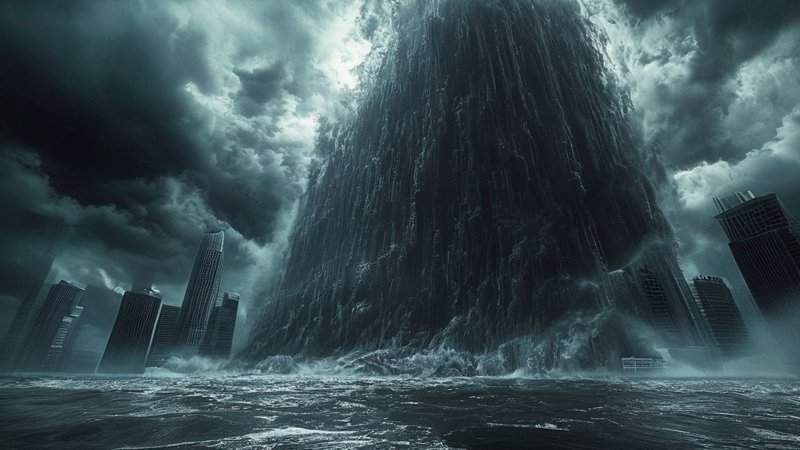
Geological records and ancient myths provide chilling evidence that these events have reshaped history before. The memory of these floods lingers in cultural lore, often dismissed as mere stories:
- The Great Storegga Slide, 8,000 years ago, triggered tsunamis that wiped out Doggerland, a fertile landmass between Britain and Norway, leaving behind marine sediments far inland.
- Evidence on Lanzarote shows boulders weighing hundreds of tons lifted high onto cliffs, a feat only attributable to prehistoric megatsunamis. Furthermore, the sudden drying and refilling of the Mediterranean Sea (the Zanclean flood) serves as a massive historical precedent for rapid, catastrophic water displacement. If you are interested in other global reshaping events, consider reading about Secrets of the Sahara.
The Canary Islands: A Present-Day Ticking Clock
The most immediate, frequently discussed threat originates from the Atlantic. The volcano Cumbre Vieja on La Palma Island poses a unique danger:
- Scientists monitor a large rift on the volcano’s flank. The nightmare scenario involves a major eruption causing half the mountain to collapse into the Atlantic.
- This landslide, weighing billions of tons, would launch a megatsunami across the ocean.
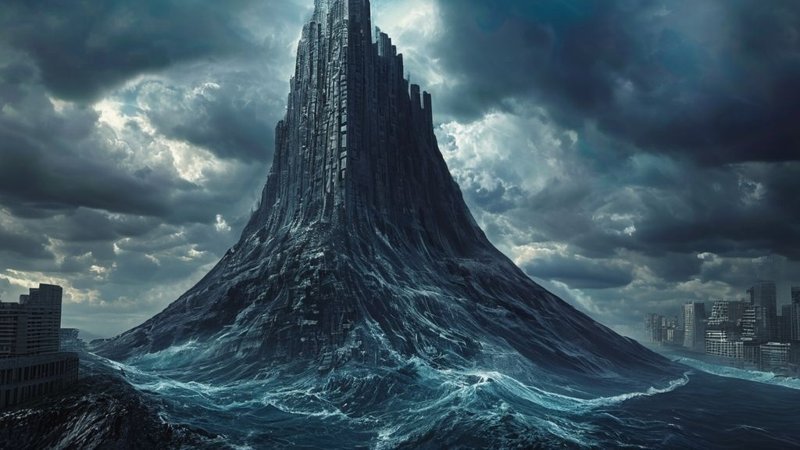
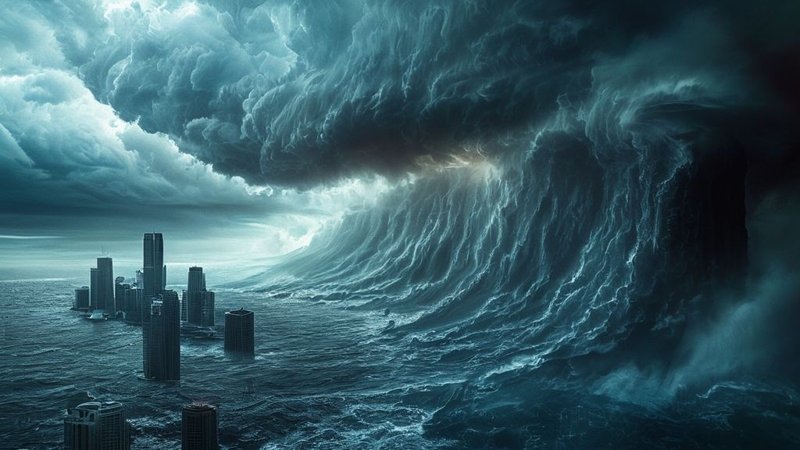
- Cities like New York, Rabat, and Lisbon would face waves potentially exceeding one hundred meters in height, traveling at high velocity, capable of ripping modern structures from their foundations.
Human Complacency and Geological Reality
Despite scientific warnings, humanity tends to ignore these threats due to psychological biases favoring a stable world. However, the physical evidence is undeniable:
- The pressure from such a wave is enough to crush any structure or living being instantly.
- The persistence of global flood myths—from Sumerian tales to those of the Americas—is now linked by scientists to real events, such as sudden sea-level rises at the end of the Ice Age. We must look past perceived safety barriers, as geology does not care for human sentiment.
Frequently Asked Questions
About The Author