Giant Desert Cities: Why Build Skyscrapers in the Sand?
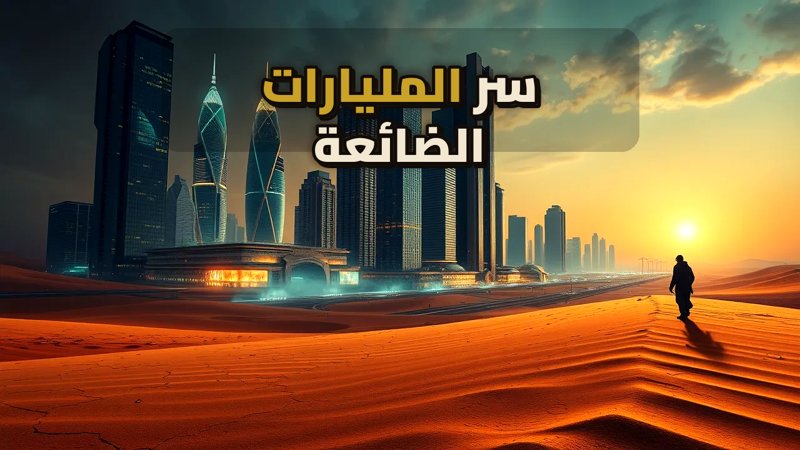
Giant Desert Cities: Why Build Skyscrapers in the Sand?
Navigate Content
The Entrepreneurial Gamble of Desert Mega-Projects
From an economic perspective, the primary question isn’t driven by astonishment, but by investment curiosity: Why pour billions into harsh climates that do not naturally attract population or commerce? This strategy goes far beyond mere flashiness. Much like exploring historical anomalies such as Mobutu’s Secret Capital: The Abandoned Concorde Runway in the Jungle, these modern developments force us to look closely at the ambition of reshaping geography.
- Transforming land with negligible economic worth
- Executing a strategic gamble backed by visionary leadership
- Redrawing regional maps through forced development
From Nomadic Tradition to Civilizational Hubs
Historically, the relationship between people and the desert was never about conquering nature, but maintaining mutual respect. Bedouins understood the environment’s laws intimately. With the influx of oil revenues, however, this wealth became a historic opportunity to transition from nomadism to building permanent civilizational hubs capable of competing globally.
Key developmental shifts include:
- Moving away from rapid consumption towards sustainable stability
- Constructing modern cities that anchor the region on the international map
- Honoring ancestral adaptability while scaling up infrastructure
The Philosophy of Settling the Land: ‘I’mar al-Ard’
At the heart of these projects is the concept of settling and developing the land (*I’mar al-Ard*). In the Gulf consciousness, this is a moral and developmental duty rooted in cultural values. The goal is to leave a lasting legacy, transforming silent spaces into active centers of life and production for future generations.
The Reality of King Abdullah Economic City (KAEC)
Translating this vision into tangible reality reveals structural challenges. Launched in 2005, KAEC aimed to house 2 million residents by 2035. Today, the actual resident population sits at roughly 10,000 to 15,000. While industrial zones and ports thrive, organic residential growth moves slowly, proving that building an ecosystem takes generations rather than just blueprints.
Place-Making and Securing Economic Influence
The persistence of these investments lies in a crucial business concept: Place-making. By establishing a powerful focal point, zero-value desert land transforms into a vital strategic asset. Coupled with smart positioning along vital trade routes like the Red Sea, these mega-projects tie global supply chains directly to regional gateways, securing long-term economic influence.
Frequently Asked Questions
About The Author