Bioluminescent Caves: Natural Wonders Glowing Without Electricity
Bioluminescent Caves: Natural Wonders Glowing Without Electricity
You have lived your life believing that light requires an external source: the sun, fire, electricity. This is our established understanding. But what if I told you that concealed realms exist beneath our feet, where walls glow, ceilings sparkle, and illumination originates from the very core of perpetual silence? This is not folklore, my friend, but a latent reality awaiting discovery—the truth of caves that are intrinsically self-illuminated.
Navigate Content
The Visual Spectacle of Perpetual Light
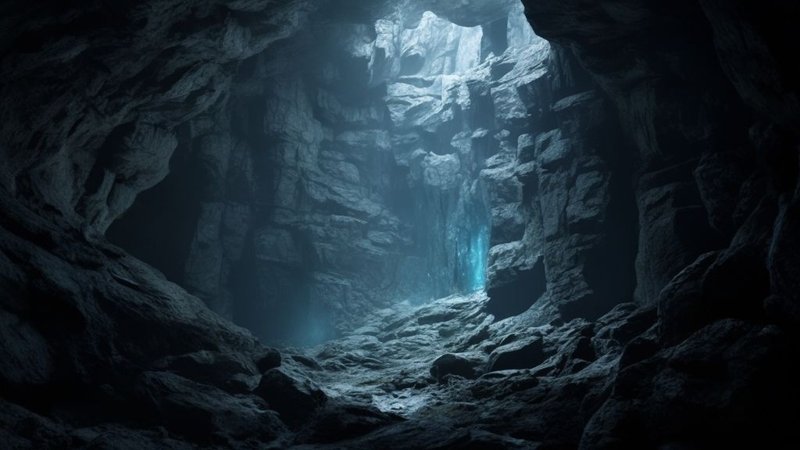
These are not optical illusions. This is genuine, living light. The walls slowly radiate illumination. The colors observed in this subterranean galaxy are spectacular:
- Faint turquoise blue
- Brilliant emerald green
- Hints of golden yellow
Every corner, every fissure, every geological formation transforms into a luminous canvas. This cave system, potentially spanning tens of kilometers, is a masterwork of natural architecture.
The Secret Engine: Bioluminescent Microbes
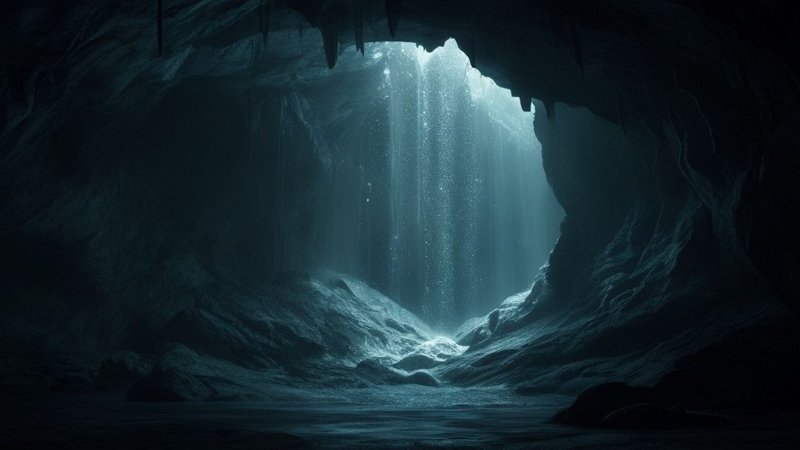
However, the phenomenon is not limited to bacteria alone. Certain species of luminous fungi also thrive, growing on decaying wood or organic matter within the cave. Imagine entering a chamber where fungi bloom on fallen logs, emitting a spectral glow that casts long, eerie shadows across the floor. Furthermore, specific insects, such as glow-worm larvae, utilize the light to attract their prey, adding another layer of biological interaction to this luminous system.
A Closed Ecosystem: Sustaining Perpetual Light
- Organisms die and decompose.
- The decaying matter provides sustenance for others that produce light.
- The light attracts prey for yet other species (like glow-worms), ensuring the continuation of the food web.
This intricate biological harmony allows the cavern to glow eternally, untouched by human energy grids.
Ramifications and the Bio-Technology Future
What are the ramifications of such a discovery? Imagine fully understanding the mechanisms utilized by these microorganisms. We might be able to harness this bio-technology to create sustainable, environmentally friendly lighting sources. Potential future applications include:
- Creating self-illuminating interior spaces.
- Designing cities powered entirely by bioluminescent energy.
- Developing sustainable, zero-energy street lighting based on microbial activity.
This is not distant science fiction, but a practical possibility awaiting full scientific understanding.
Frequently Asked Questions
About The Author