
The Psychology of Presence: Mastering the Vulnerability Stance
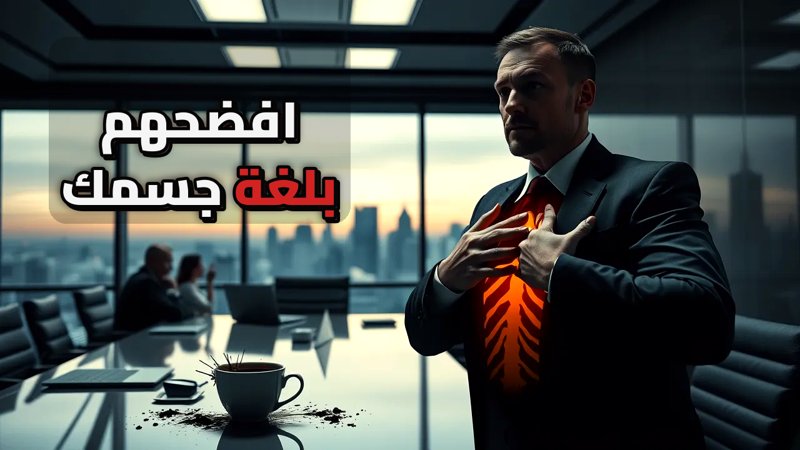
The Psychology of Presence: Mastering the Vulnerability Stance
Navigate Content
Primitive Instincts in Modern Rooms
In any high-tension meeting, there is a heavy atmosphere, as if you are carrying a burden on your chest while you sit. If you look around closely, you will catch a glimpse of the “shields” worn by the people sitting there:
- Someone crossing their arms tightly over their chest
- Someone touching their neck repeatedly as if making sure it is still there
- Someone leaning back and shrinking into themselves as if trying to escape the frame
These movements are not accidental; they are ancient instincts that still live inside us despite the suits and ties. Your mind translates the gazes of those around you as a real threat, issuing an immediate command to protect your most vulnerable areas—your neck and chest. For further reading on human behavioral tactics, you might enjoy exploring The 70/30 Rule: The Psychology Behind Manipulative Trust.
The Power of Opening Up
When you feel exposed to gazes, a psychological chill overtakes you, causing you to make yourself smaller and create a silent barrier. The problem is that when we close off our bodies, we unintentionally broadcast our nervousness, telling everyone “I am anxious” before uttering a word.
True power begins when you decide to break this instinct and do the exact opposite. When you “open up” your body and fully expose your torso, you send a calm, powerful message:
- You display a state of dispensing with defense.
- You straighten your back and open your arms away from your body, clearing your personal space.
- You force others to recalculate, wondering how you maintain such certainty while exposed.
The Trap of Physical Incongruence
There is a fine line separating authority from acting. Some people try to imitate this posture mechanically as if reading from a catalog—straightening their backs and throwing their arms out, but with trembling fingertips or overly tense facial muscles.
This is what we call “physical incongruence.” The human mind has an innate ability to catch the difference between someone who is genuinely calm and someone faking coldness to hide terror. True control means being completely exposed yet radiating absolute ease. Similar principles of non-verbal control are discussed in Before You Reply Hastily: How Silence Builds Your Prestige.
Clearing the Workspace Dividers
This stability extends beyond posture to how you handle the space around you. Each of us subconsciously builds a “safe zone” using wooden surfaces, coffee cups, phones, or laptops as psychological dividers.
When you consciously push your laptop to the side and clear the space in front of you, you send a heavy psychological signal:
Frequently Asked Questions
About The Author