
Byzantine Art Decoded: Why Emperors Chose Flat Painting
Byzantine Art Decoded: Why Emperors Chose Flat Painting
In 330 AD, Constantine the Great transferred the capital of the empire from Rome to Constantinople, sparking a profound transformation in how people perceived art and existence itself. Byzantine art was not just a collection of paintings, but an intellectual and political battle that reshaped history.
Navigate Content
From Roman Realism to the Heavenly Divine
Roman art was obsessed with realism—marble statues spoke, muscles were taut, and meticulous details made stone appear like flesh. However, in Constantinople, humanity was no longer the center of the universe; the Creator was. Artists turned away from the earthly and focused on the heavenly. You can explore similar themes of ancient structural dominance in Palmyra: How a Trading Oasis Became Rome’s Greatest Rival. Byzantine mosaics and icons were deliberately flat, lacking depth and shadows to ensure the viewer’s gaze was drawn directly to the spirit rather than the beauty of the human body.
Engineering the Divine: The Epic of Hagia Sophia
When the Nika riots destroyed half of Constantinople in 532 AD, Emperor Justinian sought to construct a political and religious statement of divine protection. He turned to mathematicians Anthemius and Isidorus to solve an architectural riddle: how to raise a massive dome over a square base.
- Pendentives: Curved triangles transferring the dome’s weight to four main piers.
- Play of Light: Forty windows placed at the base of the dome creating a shimmering illusion of a suspended heaven.
- Materials: Millions of pieces of glass and gold transforming raw stone into glorious sanctuaries.
For another example of ancient resourcefulness, check out How Ancients Transported Water Over Long Distances Without Lasers.
The Magic of Tesserae and Reverse Perspective
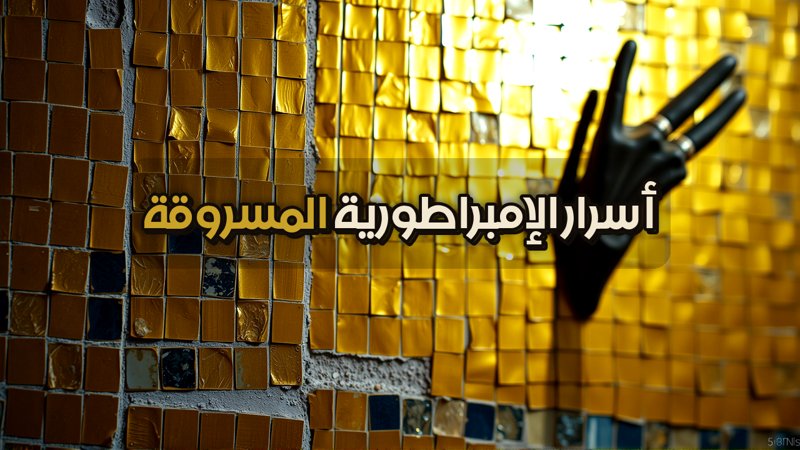
Every gesture and gaze in Byzantine art was calculated with astonishing precision. Walls were faced with tiny cubes called tesserae, set at calculated angles so candlelight made the walls come alive with a shimmering glow. Furthermore, artists invented “reverse perspective,” where lines expanded outward to enclose the viewer within the sacred space, reinforcing psychological dominance similar to the themes in The Weapon of Imagery: How Ancient Monarchs Used Art for Control.
Frequently Asked Questions
Generated by AI Content Architect
About The Author