The Collapse of the Marib Dam: Fall of the Kingdom of Saba
The Collapse of the Marib Dam: Fall of the Kingdom of Saba
Navigate Content
The Scent of Wealth and ‘Arabia Felix’
Long before modern trade routes connected the globe, caravans from the Kingdom of Saba carried precious commodities like frankincense and myrrh across harsh desert paths. In the palaces of Rome and the temples of ancient Egypt, Sabaean frankincense often outvalued gold itself, as monarchs believed the fragrant smoke carried prayers directly to the heavens.
Witnessing this unprecedented prosperity, Greeks and Romans dubbed the region Arabia Felix (“Fortunate Arabia”). Citizens lived in stability and tranquility amidst systematically planned homes and vast green spaces set within an otherwise unforgiving desert environment.
Engineering a Miracle: The Marib Dam
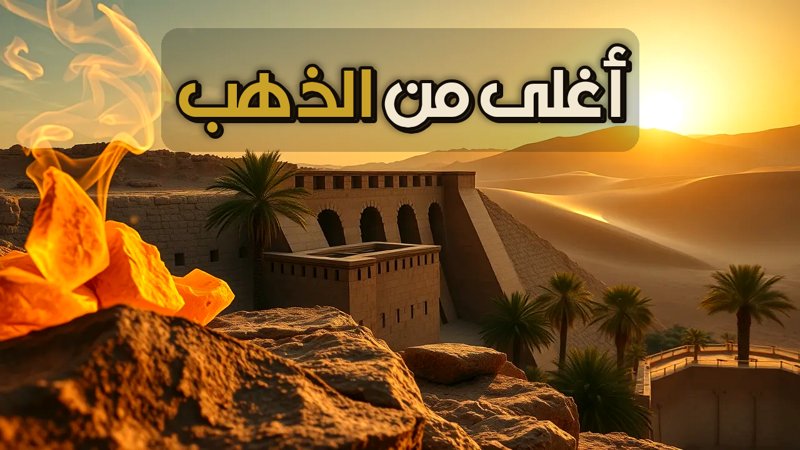
The true foundation of Saba’s greatness lay in the remarkable intellect of its people. Recognizing that heavy seasonal rainfall could easily be lost to the sands, they engineered a brilliant water management system.
- Constructed from massive, carefully carved stones.
- Bonded together with durable materials like lead and iron.
- Designed to withstand immense water pressure and capture destructive seasonal torrents.
This monumental structure turned the arid land into a lush green oasis filled with date palms, grapes, and fruit trees, reminiscent of historical accounts describing “the two gardens.” For similar tales of ancient ingenuity conquering harsh environments, explore Palmyra: How a Trading Oasis Became Rome’s Greatest Rival.
A Social Contract Built on Water
Beyond its physical architecture, the dam served as a vital social contract between the ruler and the people. Maintaining the structure and equitably distributing water among farms of all sizes dictated the rhythm of daily life. Every citizen understood that without the dam, neither agriculture nor societal stability could survive.
This profound stability allowed Saba to cultivate astute politicians and leaders capable of navigating the complex geopolitics of the ancient world without always relying on raw military force.
Soft Power and Queen Bilquis
Saba’s power stemmed largely from its soft power rather than massive standing armies. Among its legendary rulers, Bilquis (the Queen of Sheba) left an indelible mark on history through her supreme political acumen.
Faced with powerful empires like the Pharaohs of Egypt and the Assyrians, Bilquis leveraged trade and diplomacy as her most potent weapons. Furthermore, the kingdom’s political system featured a consultative assembly known as the Muswad, proving an advanced respect for counsel and diverse viewpoints in governance.
Shifting Tides and the End of an Era
Even the greatest wisdom and the most robust stone walls had their limits. As the ancient world evolved, global trade routes began to shift entirely away from the overland paths controlled by Saba toward new maritime pathways. This geographic and economic evolution altered the balance of power, paving the way for the ultimate collapse of a once-unmatched civilization.
Frequently Asked Questions
About The Author