The Maya Civilization: Did They Disappear or Adapt?
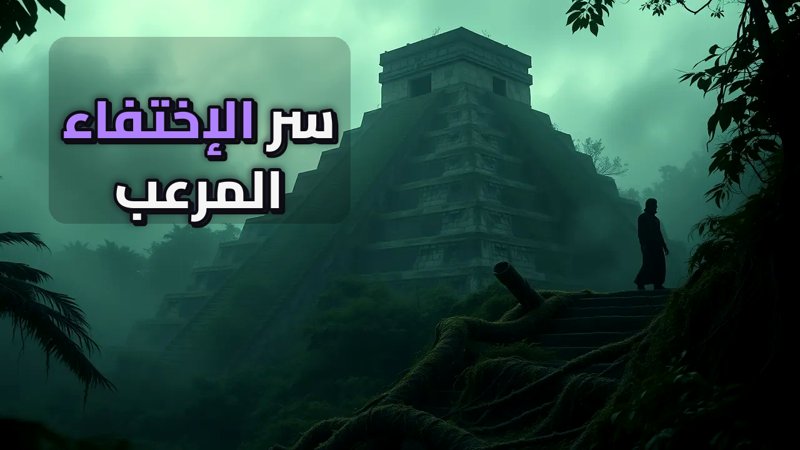
The Maya Civilization: Did They Disappear or Adapt?
Today, our journey takes us to the heart of the Central American rainforests, to the birthplace of one of the greatest civilizations in history: the Maya civilization. How could a society of such intelligence and achievement see its majestic cities abandoned and vanish?
Navigate Content
The Golden Age of the Maya
Imagine walking through the heart of the Central American rainforests and suddenly finding yourself before Tikal or Palenque. The Maya were masters of their environment, constructing massive pyramids, temples, and complex drainage networks. For further reading on ancient urban planning and lost civilizations, explore The Ancient City of Caral: Thrived 1,000 Years Without an Army or Walls. They tracked the stars, developed a precise calendar, and managed water through intricate underground reservoirs.
Population Growth and Environmental Stress
Despite their massive success, significant population growth brought the first signs of resource stress. The surrounding forests were cleared rapidly for timber, agriculture, and urban expansion. This environmental alteration removed the natural canopy, exposing the soil to direct sun and heavy rain. Similar historical shifts in ecological stability can be studied in How Nature Erases Borders: The Sistan Conflict and Lake Hamoun.
Escalating Conflicts and Competition
As resources dwindled, competition between independent city-states escalated into fierce conflicts. Wall carvings and mass graves reveal a surge in warfare driven by the desperate need for water and arable land. While the Maya attempted to adapt with new irrigation systems, the immense pressure ultimately outweighed any partial solutions.
The Ultimate Crisis: Severe and Prolonged Drought
Scientific research analyzing lake sediments and cave stalagmites has painted a clear picture of severe, multi-decadal droughts affecting the core Maya regions. Entire cities that depended entirely on agriculture and local groundwater watched their resources diminish drastically, shaking the very foundations of their civilization.
Frequently Asked Questions
Generated by AI Content Architect
About The Author