A Child Crowned King as a Fetus: The Sasanian Empire’s Heir
A Child Crowned King as a Fetus: The Sasanian Empire’s Heir
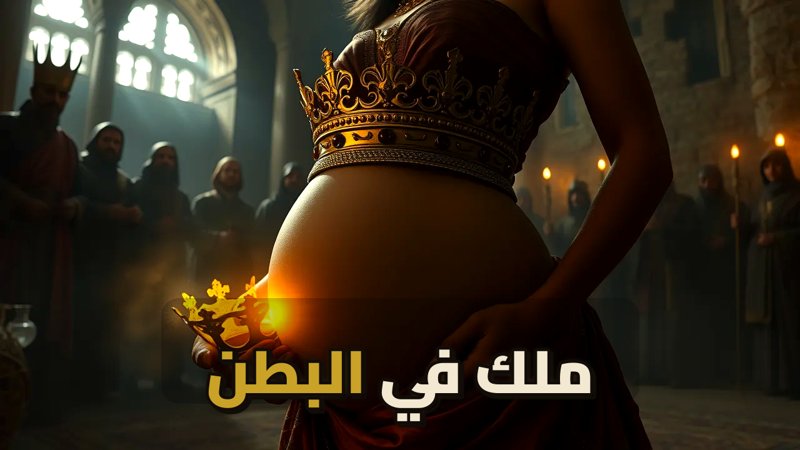
Imagine an unborn child resting inside his mother’s womb, while atop that very belly rests the crown of one of the greatest empires of the ancient world. A child destined to be king before even seeing the light of day—not out of good fortune, but because he was the last lifeline of a collapsing empire.
Navigate Content
The Coronation on a Pregnant Queen’s Abdomen
Inside the throne room, Queen Ãfrã Hormizd stood surrounded by nobles and clergy, all waiting in suspense. Suddenly, the heavy imperial crown was lifted and placed with utmost care upon the pregnant queen’s abdomen. Historians still debate whether this actually happened precisely as described, or if it was a clever tactic to secure the legitimacy of the tiny monarch. For similar tales of ancient political structures, look at how civilizations shaped their governance like in Aksum: The Forgotten African Empire That Competed with Rome.
Chaos and Ruthless Succession Struggles
Following the death of King Hormizd II, the throne was vacant and enemies at the borders were lying in wait. The nobles and military commanders were clinging to their influence and eliminated any potential heir with actual authority.
- The king’s eldest son was killed on the spot.
- The second son had his eyes gouged out.
- The third son fled to the Romans.
They searched for a weak ruler with no voice, and what better candidate than an unborn child? To understand how powerful figures manipulate environments, you can examine Why Manipulators Choose Dim Lighting for Sensitive Conversations.
Growing Up in a Golden Cage
Amidst this charged atmosphere, the child Shapur was born. Imagine a young child, three or four years old, forbidden to run or play like a normal child. Every step he took was precisely calculated. His tutors instilled a single idea into his young mind: ‘You are not just an ordinary human being… you are the entire empire.’ He grew up isolated amidst rigid rituals, treated like a living statue.
Borders Bleeding and an Empire in Decline
While Shapur was growing up inside this golden cage, the Sasanian borders experienced constant anxiety. The Romans from the west pressed to reclaim influence, while Arab tribes launched repeated raids from the south and east. Meanwhile, the regency council in Ctesiphon was preoccupied with internal power struggles. This vulnerability echoes the systemic decay seen in other ancient collapses, much like Before Rome Fell: How Imperial Luxury and Lead Poisoned an Empire.
From Puppet Fetus to Resolute Emperor
All this news reached the young Shapur as he grew up isolated. This sense of helplessness and premature responsibility left a deep psychological mark on him, forging a powerful desire to reclaim control. When Shapur reached the age of sixteen, everyone assumed this quiet boy would remain under their control, but the reality was entirely different.
Frequently Asked Questions
Generated by AI Content Architect
About The Author