The Mystery Behind Human Screams in the Kenyan Mountains
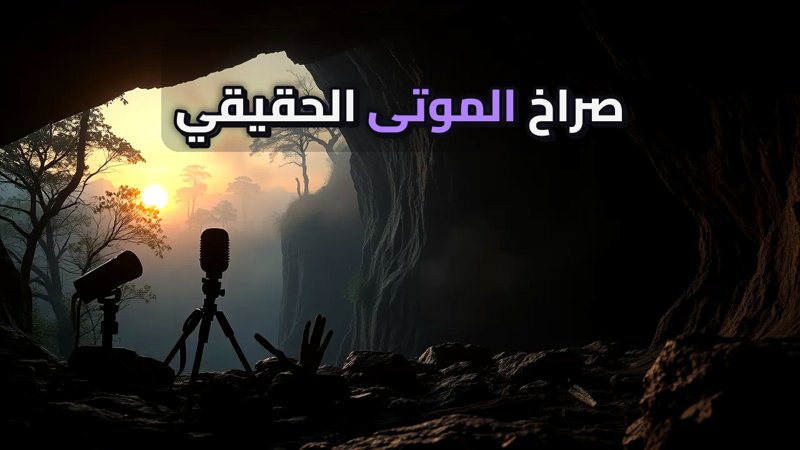
The Mystery Behind Human Screams in the Kenyan Mountains
In the mountains of Kenya, at sunset, the world becomes profoundly quiet before a chilling sound breaks the stillness. Emanating from a remote cave, a collective human scream pierces the night, blending local legends of ancient warrior spirits with baffling acoustic puzzles that continue to confound modern science.
Navigate Content
An Isolated Journey Into Untouched Wilderness
Reaching the mysterious mountain cave is a daunting expedition in its own right. Traditional tools like GPS are of little use deep within the dense forests where sunlight barely penetrates the canopy. The terrain consists of narrow, unmarked trails amidst mud and rocks, keeping the location entirely absent from tourist maps. Visitors feel as though they have stepped back hundreds of years in time, completely isolated from modern civilization. For those interested in prehistoric and ancient mysteries of the earth, similar remote enigmas can be explored in articles like Stonehenge: The 240-Kilometer Mystery of Prehistoric Engineering.
Historical Records and Local Beliefs
The earliest documentation of these sounds dates back to early 20th-century explorer journals, describing collective human voices echoing at specific times of night. However, the local inhabitants hold a deep spiritual perspective regarding the phenomenon:
- Guardians of the Land: Locals believe an ancient battalion of warriors hid in the cave during a crisis and remain as eternal protectors.
- Offerings of Devotion: Visitors frequently arrive with modest offerings, viewing the haunting sounds not with terror, but as a reassuring blessing.
- Dangerous Omens: If the sounds were to ever cease, it would signify that the ancestors are angered or have withdrawn their protection.
Scientific Investigation and Audio Recordings
In the late 1990s, a joint expedition of University of Nairobi researchers and British acousticians ventured into the cave with monitoring equipment to crack the code. Despite grueling conditions and local reluctance to stay after sunset, the team successfully recorded continuous screaming right at midnight. Analysis of the frequency displays revealed waves exhibiting a bizarre complexity closely resembling the acoustic fingerprint of the human vocal tract, proving it was far more than simple wind striking rock.
Auditory Pareidolia Versus Unexplained Physics
To explain the consistent and puzzling physical properties of the recordings, scientists proposed the hypothesis of “auditory pareidolia”—a phenomenon where the human brain interprets unfamiliar ambient sounds, such as wind or animal noises, as familiar human screams. This psychological effect is heavily amplified by the rich history and local legends surrounding the cave. Yet, whether this is purely a trick of the mind or an undiscovered geological acoustic anomaly remains a compelling subject of debate, much like the strange phenomena discussed in Confidential File: The Truth Behind Phosphorescent Skies.
Frequently Asked Questions
Generated by AI Content Architect
About The Author