The Deception of the Elixir of Life: Mercury and Chinese Emperors
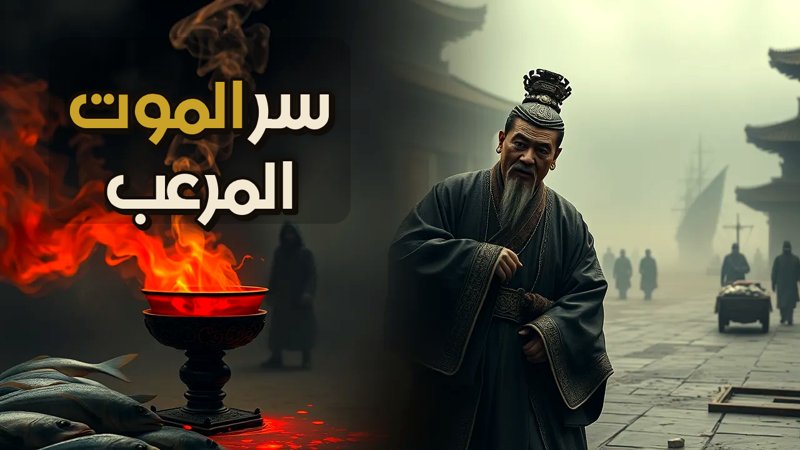
The Deception of the Elixir of Life: Mercury and Chinese Emperors
In the summer of 210 BCE, an imperial convoy marched through China with rotting fish masking the stench of a deceased emperor. Emperor Qin Shi Huang’s obsessive quest for immortality through alchemical concoctions of mercury not only poisoned rulers but accidentally birthed gunpowder, reshaping ancient history.
Navigate Content
The Hidden Death of Qin Shi Huang
When Emperor Qin Shi Huang died suddenly on a royal tour, his ministers went to extreme lengths to conceal the demise. Cartloads of rotting fish were driven ahead and behind the imperial carriage to mask the decaying corpse. The ruler who united China and built the Great Wall was utterly terrified of death, falling prey to legends of magical islands and herbs granting eternal life.
Cinnabar and the Fatal Elixir
While fleets searched endlessly for mythical islands, the emperor consumed a bright red liquid daily within his palace. Prepared by Taoist monks and alchemists, this concoction contained cinnabar (mercuric sulfide), lead, and arsenic. Alchemists believed the vibrant red symbolized the spark of life, attempting to imbue human bodies with the endurance of heavy metals. For deeper context on heavy metal exposure, consider The Legacy of Mercury and Excavators in Ghana’s Gold Mining Crisis.
Interpreting Poisoning as Immortality
As mercury accumulated in the emperors’ bodies, symptoms of severe poisoning—such as tremors, hallucinations, and neurological deterioration—manifested rapidly. Shockingly, historical texts from the Tang dynasty reveal these horrific side effects were celebrated. They were viewed not as failure, but as proof of the physical body shedding its mortal form to ascend to the heavens. Similar historical mysteries involving sudden ends and dramatic events can be explored in Teotihuacan: The Hunger Revolt That Destroyed a Lost Metropolis.
The Accidental Invention of Gunpowder
The relentless pursuit of longevity powders inadvertently led to world-altering discoveries. Around 850 CE, alchemists attempting to brew a life-extending remedy mixed sulfur, charcoal, and potassium nitrate. Instead of an elixir, they sparked an intense flash that set the room ablaze, discovering ‘Huo Yao’ or gunpowder. Initially used for fireworks and festive noise to expel evil spirits, it eventually evolved into a devastating battlefield weapon.
Ayurveda and the Search for Vitality
The obsession with extending life was not unique to China. In ancient India, medical traditions took a different path through Ayurveda and the concept of Rasayana. Rather than chasing permanent physical immortality with toxic metals, Indian practitioners focused on rejuvenating vitality, maintaining mental clarity, and delaying aging through natural herbs like the legendary Soma plant.
Frequently Asked Questions
Generated by AI Content Architect
About The Author