Gilgamesh: The True Story Behind History’s First Epic Hero
Gilgamesh: The True Story Behind History’s First Epic Hero
Navigate Content
The 12 Clay Tablets of Nineveh
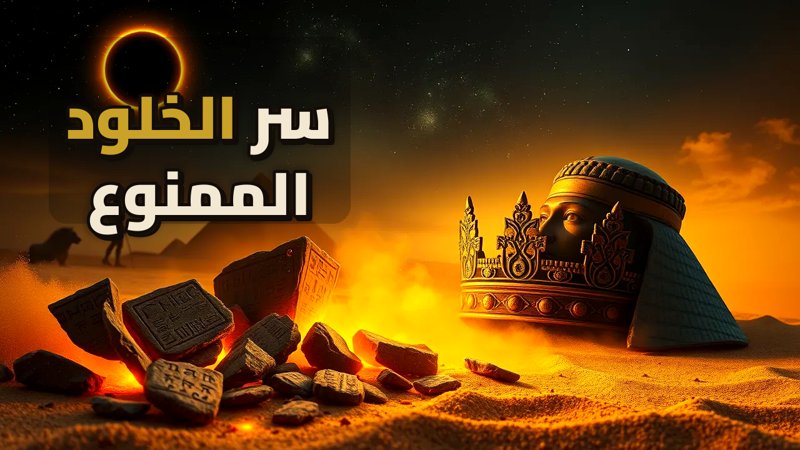
This story is not mere fiction. We are talking about 12 authentic clay tablets discovered amid the ruins of King Ashurbanipal’s library in Nineveh in 1853. These texts are 1,500 years older than Homer’s Iliad and predate most known religious scriptures by centuries.
- Discovered in 1853 in Nineveh
- Predates the Iliad by 1,500 years
- Embodies humanity’s oldest existential questions
Was Gilgamesh a Real Historical King?
Before we judge him as a mere arrogant tyrant, we must examine the historical evidence. The Sumerian King List inscribes his name as the fifth king of Uruk, reigning for an exaggerated 126 years. Furthermore, the Tummal Inscription documents temple restorations led by Gilgamesh and his son, proving he was a flesh-and-blood ruler.
For more ancient legal and historical context, you might be interested in reading about Before Rome: The Truth Behind Hammurabi’s Laws of Justice.
The Tyranny of Uruk and the Creation of Enkidu
Initially, Gilgamesh was two-thirds divine and one-third human, an immense power housed in a decaying body. His oppression of Uruk drove the citizens to plead with the gods. Instead of striking him down with thunderbolts, the gods created Enkidu—a wild rival born from nature to humble the king’s pride.
From Wilderness to Civilization: The Role of Shamhat
Enkidu lived among gazelles, knowing nothing of cities. To civilize him, Shamhat taught him to eat bread and drink wine. Though he lost his wild instincts, he gained the intellect required to travel to Uruk and challenge Gilgamesh face-to-face.
A Epic Clash That Forged an Unbreakable Bond
The battle at the city gates shook the pillars of Uruk’s houses. In an unexpected draw, neither defeated the other. Instead of bloodshed, the fight culminated in a profound friendship, turning rivals into soulmates as they embarked on quests for eternal glory.
Frequently Asked Questions
About The Author