The Sumerian Wheel: From Potter’s Tool to Ancient War Machine
The Sumerian Wheel: From Potter’s Tool to Ancient War Machine
Let’s travel back in time to southern Mesopotamia, amidst the marshes and clay lands that shaped the lives of the early Sumerians. Long before it bore arms and changed history, the revolutionary technology of the wheel began in the humble hands of an artisan craftsman rather than the feet of a weary traveler.
Navigate Content
The Struggle Against Friction and the Sledge
At the dawn of Sumerian civilization, transporting heavy loads meant battling the laws of physics. The primary tool available was the sledge—a simple wooden board placed on the ground and pulled by human or animal muscle. However, the true enemy was friction. Every centimeter moved required massive energy to overcome surface resistance, leaving humanity trapped in a cycle of physical exhaustion. Similar ancient engineering feats faced monumental hurdles, much like the precision puzzles seen in The Mystery of Puma Punku: Ancient Engineering or Lost Technology?.
The Pottery Wheel: The First Axis of Rotation
As Sumerian cities rapidly grew, so did the demand for storage vessels to hold surging crop yields. Walking around a lump of clay to shape it manually was far too slow. To solve this, craftsmen invented a horizontal, rotating wooden disc. While shaping clay, craftsmen noticed a profound technical breakthrough:
- The disc supported heavy loads while moving rotationally.
- Energy was distributed evenly around a fixed center.
- It marked the birth of the first true axis of rotation in human history.
Engineering the Axle and the First Vehicle
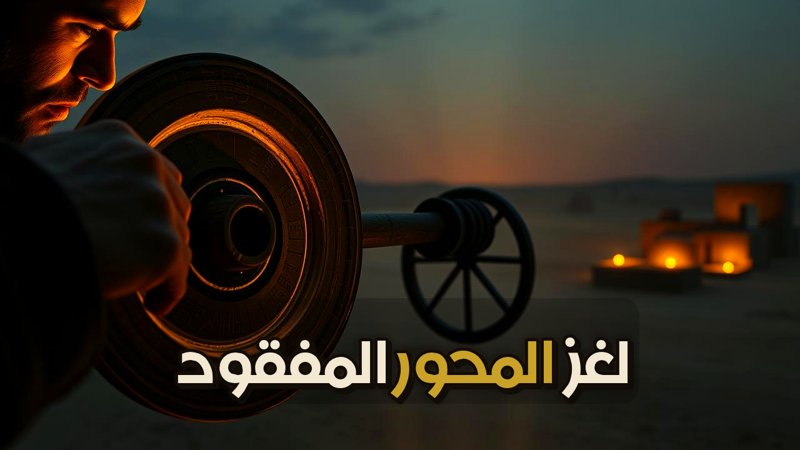
Tipping the pottery disc 90 degrees created the wheel, but the real genius lay in solving the puzzle of the axle. Making a wooden disc revolve around a fixed shaft without wobbling or locking from heat required extraordinary mechanical balance. To reduce frictional energy, the Sumerians utilized animal fat as the first lubricating oil in history, successfully creating humanity’s first integrated mechanical system for heavy-duty platforms.
Geography, Necessity, and Military Logistics
The flat plains of southern Iraq acted as an open experimental lab, ideal for rolling heavy objects. Driven by the necessity to transport timber, stone, and massive crop surpluses over long distances, the wheel became an indispensable economic gear. Once optimized for logistics, it naturally transitioned into the military sphere, giving rise to carts pulled by onagers that revolutionized ancient warfare and supply chains.
Frequently Asked Questions
Generated by AI Content Architect
About The Author