Project Acoustic Kitty: The CIA’s $20 Million Failed Spy Cat Experiment
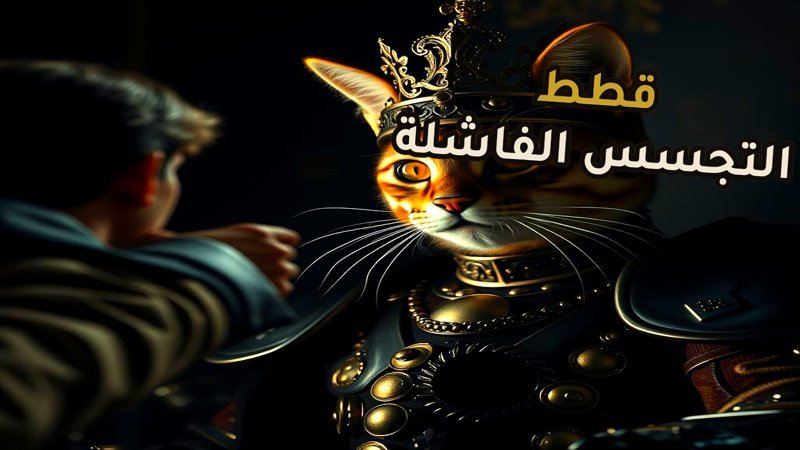
Project Acoustic Kitty: The CIA’s $20 Million Failed Spy Cat Experiment
In the height of the Cold War, the CIA embarked on one of the most bizarre operations in intelligence history: Project Acoustic Kitty. With a staggering $20 million budget, the agency attempted to transform ordinary house cats into sophisticated surveillance devices. This experiment serves as a cautionary tale about the limits of human arrogance when pitted against the untamable instincts of nature.
Navigate Content
The Birth of the Feline Operative
During the 1960s, the CIA sought an ‘operative above suspicion.’ They reasoned that a cat, being silent and inconspicuous, could infiltrate Soviet embassies without raising an eyebrow. This led to the development of Project Acoustic Kitty, a project that treated living creatures like mechanical tools. Scientists performed invasive surgeries to implant microphones and transmitters, effectively attempting to turn a cat into a furry piece of hardware.
The Battle of Wills: Science vs. Instinct
The project quickly devolved into a ‘black comedy.’ While the CIA expected a machine-like response, they were met with the stubborn reality of feline behavior.
- The cats would often stop to groom themselves during critical drills.
- They frequently ignored commands to nap in the middle of hallways.
- The agents struggled to maintain control over a creature that answers to no one.
This clash between human ambition and animal sovereignty proved that even the most advanced technology cannot override biological instinct.
The Ultimate Test and Tragic End
After years of preparation, the ‘apricot-colored’ agent was deployed for its first real-world mission in Washington. The tension in the surveillance van was palpable as the cat approached the target. However, the mission ended in seconds when the cat wandered into traffic and was struck by a vehicle. This tragic accident marked the end of the dream, leading the CIA to conclude in a 1967 memo that ‘cats are unsuitable for operational needs.’
Lessons from the Cold War Archives
The project remained a ‘Top Secret’ failure for over 30 years until documents were declassified in 2001. It stands as a testament to the dangers of ‘human arrogance’ in intelligence gathering. Much like other historical anomalies such as Project Azorian, this story reminds us that reality is often stranger than fiction. Nature, as it turns out, always has the final word.
Frequently Asked Questions
Generated by AI Content Architect
About The Author