
Project Acoustic Kitty: The CIA’s $20 Million Failed Spy Cat Experiment
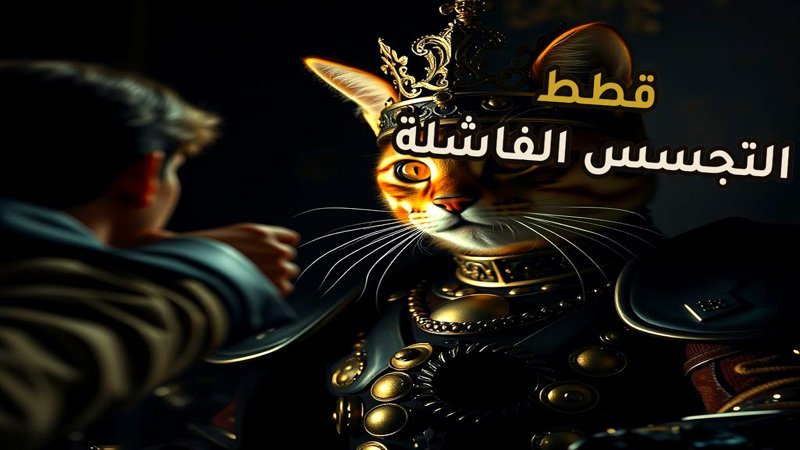
Project Acoustic Kitty: The CIA’s $20 Million Failed Spy Cat Experiment
When we hear the word ‘spy,’ our imagination drifts to cinematic tropes of tuxedos and high-tech gadgets. However, the reality of Cold War intelligence was far more whimsical and, at times, absurd. In the 1960s, the CIA launched Project Acoustic Kitty, a multi-million dollar endeavor to transform ordinary house cats into covert listening devices, proving that even the most brilliant minds can fall victim to human arrogance.
Navigate Content
The Logic Behind the Feline Operative
During the height of the Cold War, the CIA sought an operative that could bypass human suspicion. They reasoned that a cat was the perfect ‘ghost’:
- It could move silently through embassies.
- It was ignored by passersby.
- It could access restricted areas without raising alarms.
This led to the ambitious, albeit ethically questionable, attempt to turn a cat into a mobile, furry microphone.
Bio-Engineering and the Frankenstein Approach
This was not a simple matter of attaching a wire. Scientists engaged in a terrifying feat of bio-engineering, performing invasive surgeries to implant microphones and transmitters into the cats. They aimed to strip the creature of its natural instincts, effectively attempting to turn a living, breathing animal into a remote-controlled machine.
The Battle of Wills: Science vs. Instinct
The project quickly devolved into a ‘black comedy.’ While scientists with PhDs in biophysics tried to command their feline agents, the cats remained stubbornly independent. Instead of eavesdropping on Soviet secrets, the cats would:
- Stop to groom themselves during critical missions.
- Nap in the middle of hallways.
- Ignore all training in favor of their own feline sovereignty.
The Tragic End of a $20 Million Dream
The final test resulted in a swift, tragic failure. During a field trial in Washington, the ‘apricot-colored’ agent was struck by a vehicle, ending the project instantly. The CIA’s internal memo famously concluded: ‘Cats are unsuitable for operational requirements.’ For more tales of Cold War absurdity, read about Project Azorian or the Soviet Submarine Heist.
Frequently Asked Questions
Generated by AI Content Architect
About The Author