Tsar Bomba: History’s Most Powerful Explosion & Its Terrifying Legacy
Tsar Bomba: History’s Most Powerful Explosion & Its Terrifying Legacy
Navigate Content
The Dawn of Unprecedented Power
Sakharov’s Dilemma and the Flight of Damnation
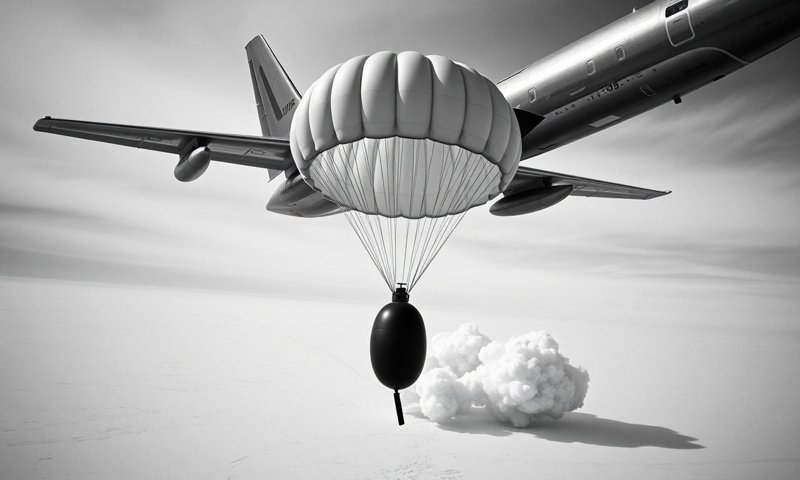
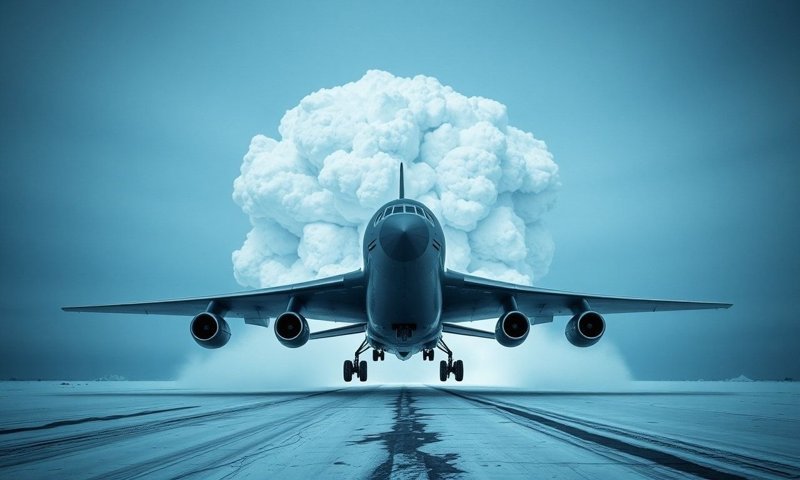
A specially modified Tupolev Tu-95 aircraft launched from the Kola military airfield. The pilot, Andrei Dorofeyev, knew his chances of survival were no better than fifty percent. The bomb was so massive it could not fit inside the aircraft’s bomb bay; it hung beneath the fuselage like a malignant tumor. The plane was coated with heat-reflective white paint. The goal was not camouflage, but to prevent the aircraft from melting the moment the thermal waves touched its metallic skin.
You are now in the cockpit. Silence prevails, broken only by the sound of the four massive engines. The clock reads 11:32 AM over the frozen archipelago of Novaya Zemlya. The bomb was released. It was fitted with a colossal parachute weighing eight hundred kilograms. Its purpose was not precision targeting, but to slow the bomb’s descent, granting the pilot crucial extra seconds to escape the epicenter of hell.
At this moment, the question forces itself forward with bitter clarity: If you were the pilot carrying this device, knowing it could extinguish life on Earth, would you pull the release handle? Tell me in the comments how you would feel in those intervening seconds.
The Detonation: A Tear in Reality
- A fireball eight kilometers wide appeared, rising until it reached the edge of the atmosphere.
- The resulting light was visible from a thousand kilometers away. Had you been standing in Finland or Norway at that moment, you would have witnessed a second sun rising from the north.
- The heat alone was sufficient to cause third-degree burns to anyone one hundred kilometers from the center.
The shockwave was the most terrifying component. It circled the globe three full times. In the deserted villages near the blast site, even stone houses were utterly leveled; not a speck of dust remained in place. Rocks were fused into glass by the searing heat. The atmosphere itself vibrated so violently that radio communications across the Arctic were severed for an entire hour. For a moment, the world believed catastrophe had already struck.
Strategic Futility and Catastrophic Repercussions
This is where many overlook the truth. The Soviet leadership was as shocked by the results as the West. The bomb was originally designed for one hundred megatons, but Sakharov halved the yield at the last minute, fearing the radioactive fallout that could kill millions across Europe and Russia. Even with this reduction, the environmental impact was catastrophic. Weather patterns in the region shifted for years, and ozone layer holes appeared where none had existed before.
The Shadow of the Blast: Treaties and Legacies
But do you truly believe these treaties were motivated by humanitarianism? I doubt it. History teaches us that superpowers only stop when their own survival is perceived to be at risk. The Tsar Bomba did not end wars; it merely drove them underground. It made death smarter and quieter. We live today in the shadow of that blast. Every existing nuclear treaty is, in fact, an echo of that shockwave that shook the Earth in October 1961.
Sakharov, the man who designed the bomb, spent the remainder of his life as a human rights activist and an opponent of nuclear weapons. He received the Nobel Peace Prize, yet he
Frequently Asked Questions
About The Author