The Vasa Ship Disaster: Hubris, Physics, and the 17th Century’s Greatest Engineering Failure
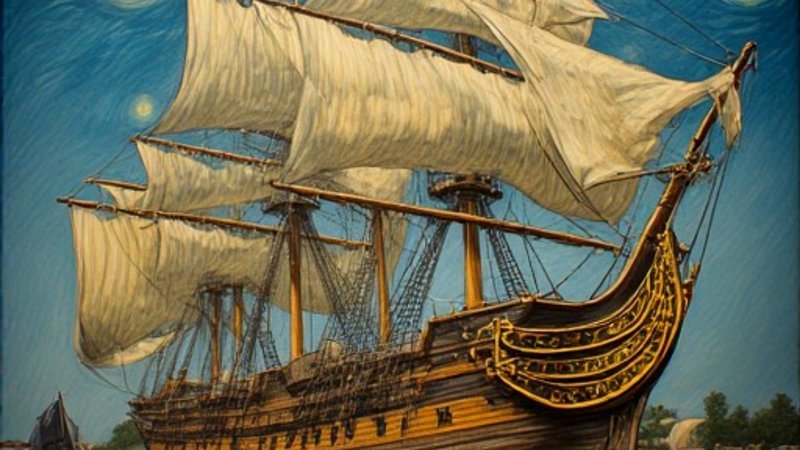
The Vasa Ship Disaster: Hubris, Physics, and the 17th Century’s Greatest Engineering Failure
The sinking of the Swedish warship *Vasa* on August 10, 1628, remains a chilling lesson in engineering failure, where immense resources and artistic dedication were undone by a fatal flaw in design. This floating fortress, intended to dominate the Thirty Years’ War, capsized in Stockholm harbor after sailing only 1,300 meters. The disaster was not an act of fate, but a direct consequence of prioritizing royal ambition over the immutable laws of physics.
Navigate Content
A Monument to Royal Ambition
The *Vasa* was intended as the ultimate political statement, a behemoth exceeding sixty-nine meters and adorned with thousands of gilded statues. This required the felling of 400 oak trees and the work of hundreds of artisans. However, the vision outpaced structural reality. The primary issue stemmed from the conflict between two fundamental fluid dynamics principles: the center of gravity and the center of buoyancy. The design was inherently unstable before it even touched the water.
The King’s Whim and Fatal Weight Distribution
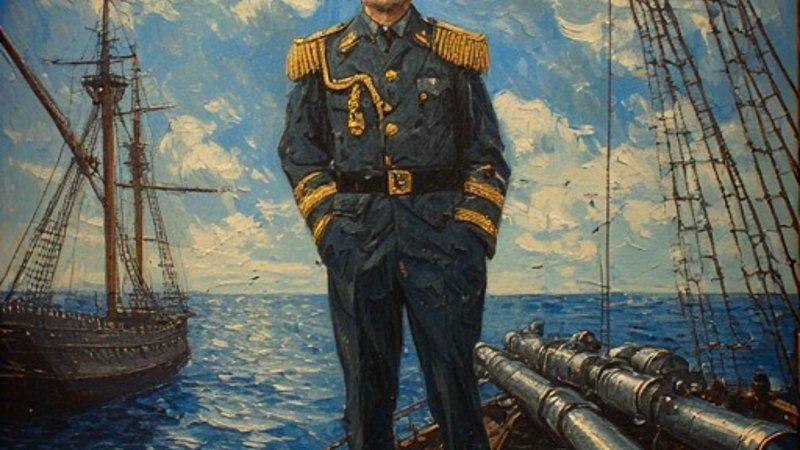
The structural flaw was exacerbated by King Gustavus Adolphus’s late-stage decree: doubling the number of heavy bronze cannons on the upper decks. This decision drastically raised the ship’s center of gravity. With the supervising engineer deceased, those remaining lacked the authority or courage to push back against the monarch’s demands. The physical consequence was clear: more weight aloft without a sufficiently wide base to provide adequate counter-heeling force. This decision essentially guaranteed hydrostatic failure.
The Silence of Cowardice: Ignored Warning Signs
Days before the launch, a simple stability test proved disastrous: thirty sailors running across the deck caused the ship to list so severely it nearly capsized while moored. Captain Söfring Hansson halted the test, recognizing the mortal danger. Yet, the prevailing culture of fear prevented anyone from conveying this catastrophic evidence to the King. This collective silence—ignoring glaring numerical evidence—constituted an engineering crime, substituting hope for sound structural principles.

The Two Hundred Second Demise
On its maiden voyage, under a gentle breeze—not a storm—the *Vasa* leaned sharply. The second gust proved fatal. The ship leaned too far, causing the lower gunports, left open as a gesture of bravado, to dip below the waterline. Water rushed in, and the pride of the Swedish navy became a coffin for thirty crew members, sinking just meters from shore. The ship’s metacentric height was too low, meaning the center of gravity was too high above the center of buoyancy for stability.
Lessons for Modern Projects
The *Vasa* disaster transcends naval history; it illustrates the danger of subordinating science to ideology or ego. The author posits that the sinking represents the ‘illusion of knowledge’ pervasive in projects where form trumps substance. You see the modern ‘Gustavus’ in managers demanding unsustainable feature creep, and the modern ‘Hansson’ in engineers who fear reporting fatal flaws. This historical tragedy offers a stark reminder that physics is indifferent to the crown, or in modern terms, to quarterly reports or political pressure. To learn more about historical engineering blunders, consider reading about Franklin Expedition Lead Poisoning: The Canned Food That Killed Explorers.

Frequently Asked Questions
Generated by AI Content Architect
About The Author