Franklin Expedition Lead Poisoning: The Canned Food That Killed Explorers

Franklin Expedition Lead Poisoning: The Canned Food That Killed Explorers
Navigate Content
The Vanishing Hope and the Icy Silence
In 1845, Sir John Franklin set sail with 109 men, confident in British naval supremacy and the newest technology, including steam-assisted vessels. Their mission was monumental. Yet, after departing, complete silence followed. Search parties found nothing for decades, fueling speculation that ranged from starvation to cannibalism. The enormity of the loss—an entire expedition of elite sailors evaporating—haunted the world. The initial assumption was a battle against nature; the reality proved far more complex.
The Grim Discovery: Madness and Mummies
When discoveries finally began surfacing in the late 20th century, they were shocking. Bodies, perfectly preserved by the extreme cold, showed faces contorted not just by death, but by visible internal terror and signs of psychological breakdown. This observation shifted the focus from simple environmental challenges to potential internal conflicts or systemic failure. Highly trained officers exhibiting inexplicable violence and descent into insanity suggested something beyond mere hunger was at play. Was there a hidden technological flaw that betrayed them?
The Silent Killer: Unmasking the Lead Toxin
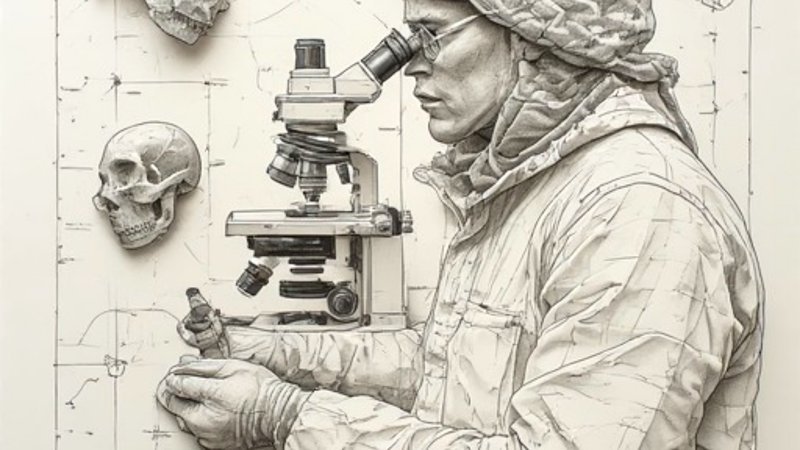
The scientific breakthrough came from forensic analysis of the skeletal remains. Microscopic and chemical testing confirmed extraordinarily high levels of lead coursing through the men’s systems. This toxic element provided the key link between the physical decay and the documented mental deterioration. The focus quickly moved from outside threats to the provisions themselves. While canning technology offered preservation, it was an untested frontier in such extreme, long-term Arctic conditions. As the text asks, could the source of their breakdown be as bizarre as mass hysteria? The evidence pointed elsewhere.

Canned Catastrophe: The Solder’s Fatal Flaw
The source of the contamination was identified: the tin cans used for preserving food. In that era, manual sealing relied heavily on solder—which was predominantly made of lead. The quality of this seal was imprecise and porous. Over time, particularly with the constant jarring and temperature fluctuations of the Arctic voyage, the lead leached slowly but steadily into every ration. This was a compounding poison:
- Invisible Threat: The poison did not cause immediate sickness but instead damaged the nervous system.
- Mental Destruction: Lead poisoning induces madness, paranoia, paralysis, and loss of coordination—explaining the crew’s final, desperate actions.
- Failed Hope: The very food meant to sustain them became the mechanism of their psychological and physical demise.
A Lesson on Progress and Precaution
The Franklin tragedy serves as a stark narrative about the dangers of untested technology colliding with harsh reality. Their bravery was ultimately pitted against a poison they consumed daily. The failure wasn’t one of exploration spirit, but of quality control. Had the solder been checked, or the new canning methods rigorously tested, this mass catastrophe might have been averted. It forces us to consider modern risks: How much ‘progress’ today carries unseen dangers? This story reminds us that the enemy can be found not in the vast wilderness, but in the seemingly safest provisions on your plate, much like ancient errors influenced events like The Battersea Shield.
Frequently Asked Questions
About The Author